
Choosing the Right Battery Swap Cabinet Supplier: 7 Key Questions to Ask
2026-01-28
Electric two-wheelers (E2W) have become essential for food delivery, last-mile logistics, and urban commuting. As fleets scale, battery swapping cabinets become always-on energy nodes embedded in neighborhoods, sidewalks, and commercial streets. When a battery swap cabinet is safe and reliable, it disappears into the background. When it is not, a single incident can shut down routes, alarm nearby residents, and trigger regulatory intervention. This guide helps procurement and operations teams evaluate battery swapping cabinets on safety, not just price or appearance, and shows what leading E2W operators look for in practice.
E2W battery swapping is a demanding scenario:
Battery swap cabinets sit in public, uncontrolled environments: building entrances, shopfronts, transit hubs.
Popular locations see multiple swaps per slot per day, often clustered in peak delivery windows.
Most users are non-technical riders and couriers focused on time and income, not on reading warning labels.
That means thousands of mechanical and electrical actions, carried out by non-experts, around the clock, in confined metal enclosures. Design flaws that are tolerable in a lab or low-traffic pilot quickly become high-severity risks at scale.
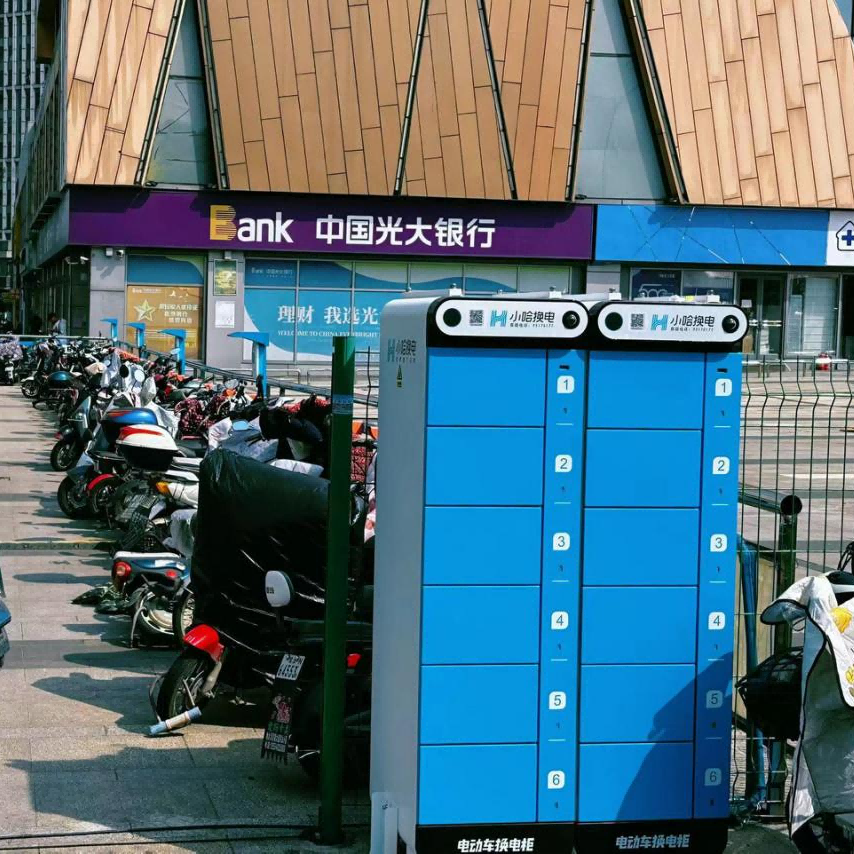
For operators, unsafe battery swapping cabinets create three major categories of exposure:
Safety Exposure: thermal runaway, smoke, or fire in cabinets located close to pedestrians, vehicles, and buildings.
Asset Exposure: accelerated battery degradation or outright damage when charging logic is rough, leading to higher replacement CapEx.
Business Exposure: forced shutdowns, emergency maintenance, and brand damage that erode the economics of the entire E2W infrastructure program.
This is why mature fleets treat safety as the first filter. Only after a battery swap cabinet clears safety and reliability standards do they compare commercial terms. Established providers like HelloPower & HelloSwap design battery swapping cabinets from day one for this reality: high-frequency swapping, public deployment, and non-expert users.
A safe battery swapping cabinet does not "blind charge" any pack inserted into it. It identifies and manages each battery as an individual asset.
Key points to verify include:
Multi-Format Support: The cabinet should handle mainstream E2W packs (48V/60V/72V; LFP and NCM) without improvised adapters.
Live BMS Data: The system should read voltage, current, temperature, stage of charge (SOC), state of health (SOH), and cycle count from each battery's battery management system (BMS) and decide whether it is safe to charge.
Automatic Isolation: Abnormal batteries—over-temperature, over-voltage, out-of-range SOC—must be automatically refused or quarantined, not simply logged.
HelloPower & HelloSwap's battery swap solutions, for example, combine cabinet-side BMS communication with cloud-side checks so that unhealthy packs are filtered out before they can re-enter circulation.
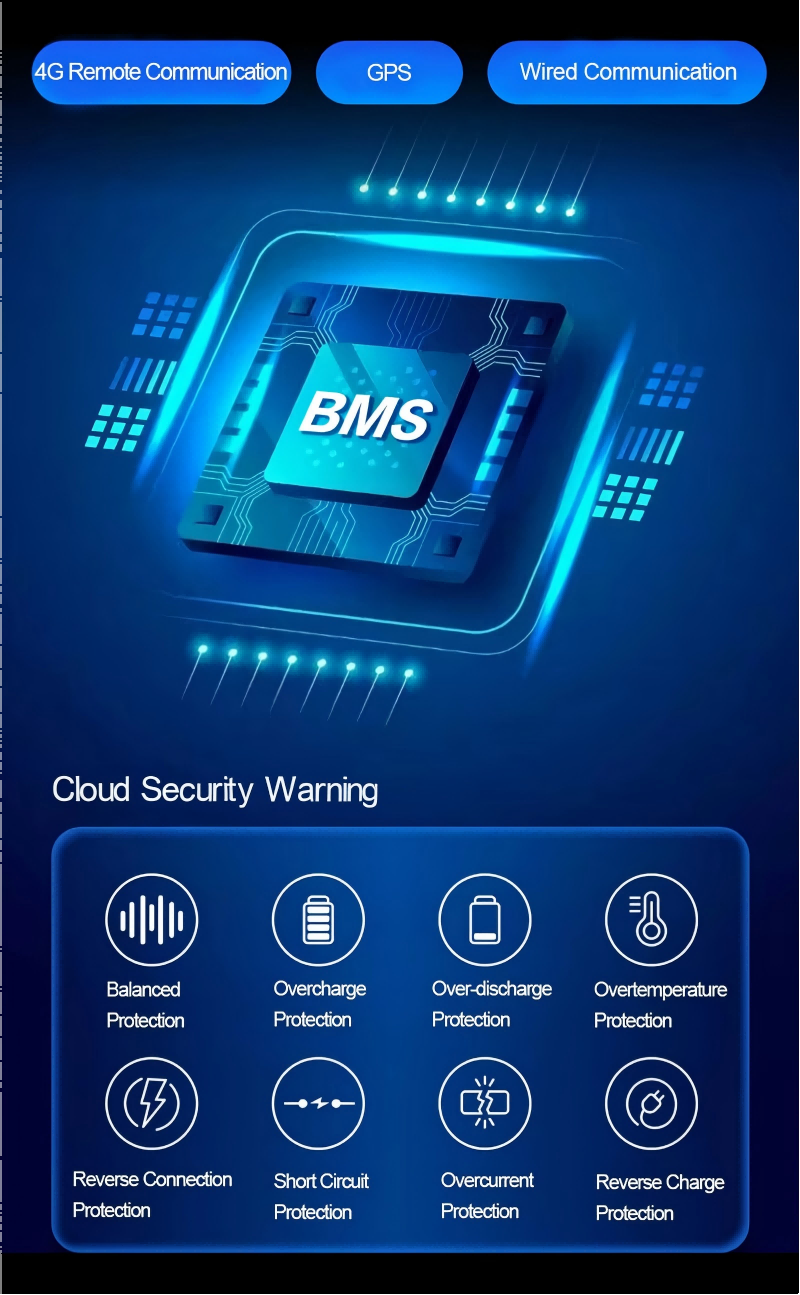
Most critical incidents in battery swap systems begin as local temperature problems that are not detected or contained in time.
Important features to look for include:
Per-Slot Temperature Monitoring: Each compartment needs its own temperature sensor and threshold logic, with charging cut-off when limits are exceeded.
Independent Fire Suppression: Every slot should have an automatic extinguishing module triggered by temperature or smoke in that compartment, rather than one shared device for the entire cabinet.
Compartment Separation: Slot walls and door structures should use heat-resistant, flame-retardant materials to slow or prevent the propagation of fire from one battery to the next.
HelloPower & HelloSwap battery swapping cabinets, for instance, integrate per slot temperature and smoke sensing with rapid suppression modules, designed to react within seconds if a cell behaves abnormally.
Behind the doors, the battery swapping cabinet is a power system. Its electrical design determines whether faults become minor events or serious hazards.
Essential factors to evaluate include:
Industrial-Grade Power Modules: Charging modules should be rated for continuous operation and include over-voltage, over-current, short-circuit, and leakage protection.
Slot-Level Control: Each slot should have its own charging profiles and protection logic, so a problem with one battery does not compromise the others.
Clear Isolation and Protection Paths: High-voltage and low-voltage circuits must be separated; grounding and protective devices should be designed for real fault currents, not just compliance on paper.
Ask battery swap cabinet suppliers to walk you through a real fault scenario: what happens, in detail, when a shorted battery is inserted or when grid voltage spikes—HelloPower & HelloSwap's industrial-grade modules isolate and cut power in milliseconds.
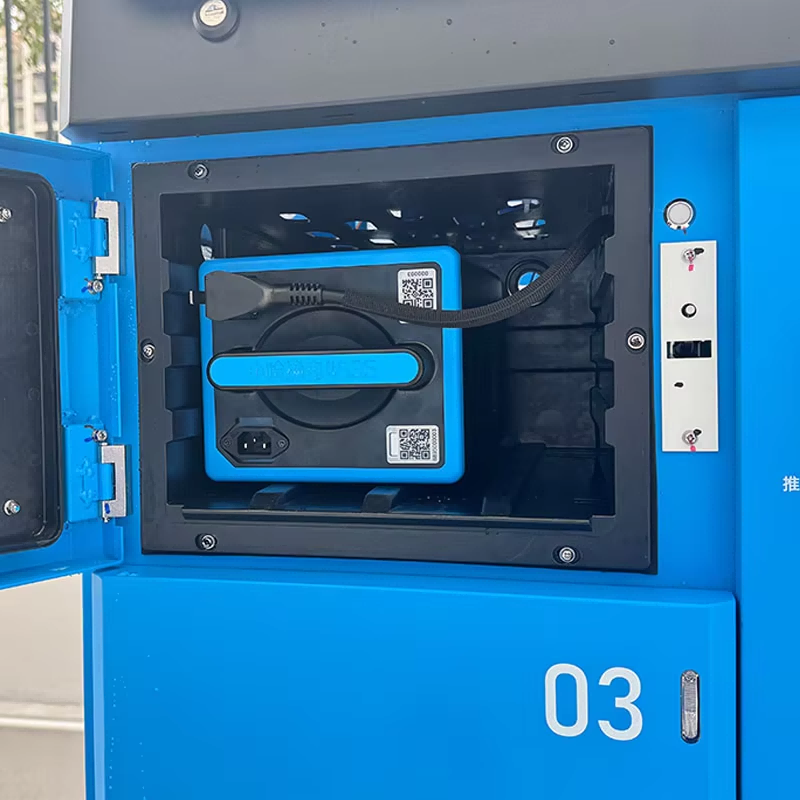
Most E2W battery swapping cabinets live outdoors, unattended, for years. Structure and materials must reflect this from the start.
Key operational reliability indicators to check include:
Ingress and Corrosion Protection: The enclosure should be built for outdoor use, with seals, coatings, and drainage that keep water and dust away from live parts and electronics.
Temperature Management: Cabinets should maintain stable internal conditions across local climate extremes, using intelligent heating, cooling, and airflow instead of simple fans.
Anti-Tamper and Misuse Features: Robust locks, anti-pry structures, guided rails, and keyed connectors help prevent both vandalism and hurried user mistakes.
HelloPower & HelloSwap designs its cabinets as outdoor equipment: waterproof, dustproof, and explosion-resistant, with constant-temperature systems tested from –20 °C to 55 °C to protect both batteries and electronics.
Even the best hardware can become risky if it is operated blindly. Modern safety depends on real-time visibility and remote control.
Smart features to look for include:
Live Monitoring: A central dashboard should show cabinet health, per slot status, alarms, and communication links in real time.
Alerting and Remote Actions: Operators must be able to receive alerts, remotely disable slots or entire cabinets, push configuration changes, and deploy firmware updates network-wide.
Data-Driven Protection: The platform should store sufficient historical data to spot patterns—repeated minor alarms at the same site, unusual temperature profiles for specific batteries—and support automated or manual interventions.
HelloPower & HelloSwap cabinets are built on big-data infrastructure and AI algorithms and support 24/7 online security monitoring and 30-day local storage, effectively detecting and responding to anomalies before they escalate.

Safety is not just a feature list; it is also about whether the battery swap cabinet manufacturer can design, build, and maintain to a consistent standard.
Critical requirements to validate include:
Relevant Certifications: Cabinets and batteries should pass recognized electrical and safety standards in your target markets; suppliers should provide recent reports, not just logos in a slide.
Test Coverage: Ask about aging tests, high/low-temperature cycles, vibration, and abuse testing specific to E2W swap use cases, including per-slot fire suppression validation and outdoor endurance testing.
Industry Expertise: Look for suppliers with dedicated cabinet product lines, traceable quality management, and long-running deployments using the same model you plan to buy, not one-off prototypes.
HelloPower & HelloSwap is backed by CATL, Ant Group, and Hello Inc., aligning battery technologies, digital infrastructure, and real-world swapping operations. This depth matters when swap networks move beyond pilots and real-world complexity appears.
Battery swapping cabinets that are significantly cheaper than market averages often achieve this by omitting protections that are hard to see in a spec sheet: consumer-grade chargers instead of industrial modules, minimal sensing, or no per-slot suppression. Over a battery swap cabinet's life, a single serious incident or accelerated battery replacement cycle can erase any initial savings.
Be cautious of battery swap cabinet designs where "safety" means a fire extinguisher nearby, a single sensor for the whole box, or purely passive measures. Without automatic, slot-level detection and response, these solutions often rely on someone being on site, noticing a problem, and reacting fast—which is rarely realistic for unattended battery swap cabinets.
Many suppliers can show a working prototype or a small pilot. Fewer can point to battery swapping cabinets that have operated outdoors for several years in high-traffic E2W deployments. Lack of long-term field data, unclear maintenance histories, or vague responses about incidents are all signals that the design may not yet be ready for large-scale, public deployment.
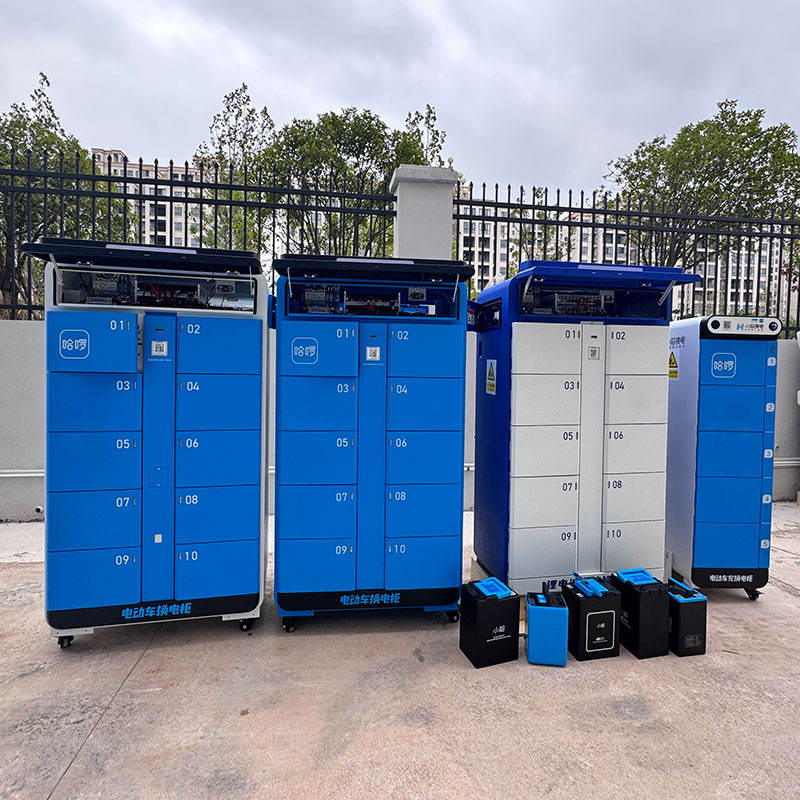
Use these questions in your procurement process when comparing battery swapping cabinets from different suppliers:
How does the cabinet identify each battery and decide whether it is safe to charge and release?
What data does the system read from the battery’s BMS, and how is that data used to manage risk?
Which sensors exist at the slot level, and how are they linked to automatic shutdown or suppression?
How is the power system designed for continuous operation, and what protections are in place against common electrical faults?
What evidence shows that the cabinet structure is suitable for long-term use in your climate?
Which anti-tamper and anti-misoperation features protect riders and equipment during hurried swaps?
What can the cloud platform see and control in real time when a problem occurs at a cabinet?
Which safety and performance standards have been independently verified for this specific model?
How are battery health and lifecycle tracked across the network to prevent unsafe packs from staying in service too long?
How many units of this cabinet model are already deployed in similar E2W scenarios, and what is the documented safety record?
The more specific and transparent a supplier's answers are, the clearer your view of real risk will be.
For electric two-wheeler fleets, battery swapping cabinets are not accessories. They are a critical infrastructure that sits between your riders, your assets, and the communities you serve. Choosing safe, well-engineered battery swap cabinets removes a significant share of operational, financial, and reputational risk from your network.
A robust battery swap cabinet design will:
Treat every battery as a monitored, traceable asset
Detect and contain thermal issues at the compartment level
Withstand years of use and high-frequency swapping
Provide continuous visibility and remote control through the cloud
Be backed by engineering depth and real-world operating experience
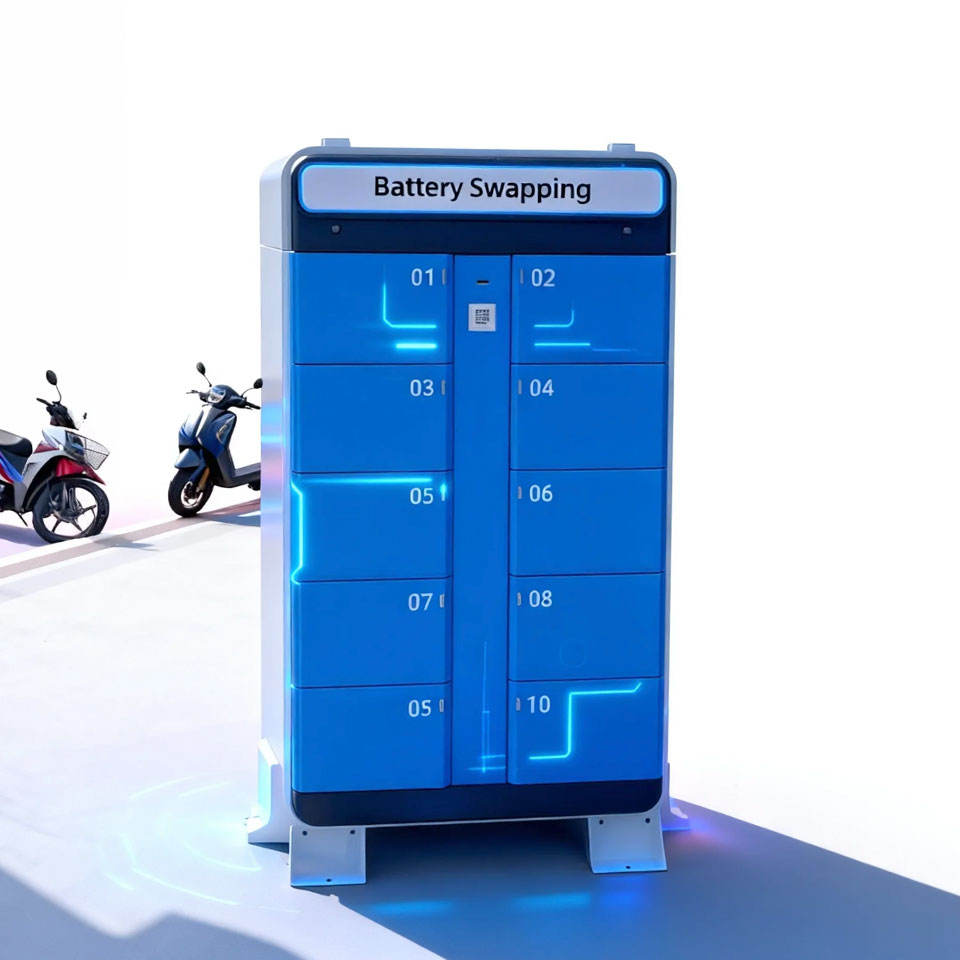
HelloPower & HelloSwap builds cabinets around these principles, combining intelligent constant-temperature control, multi-layer safety logic, outdoor-grade enclosures, AI-driven monitoring, and 24/7 support—all proven in high-intensity delivery and sharing networks.
If you are planning or upgrading an E2W battery swapping network, reach out now for a thorough, personalized consultation today and get a safe battery swapping solution that protects your riders, your neighborhoods, and your brand for years to come.
Contact Us
hellopowerglobal@hellobike.com
Location
2F, Building 1, No.898 XiuWen Road, MinHang District, Shanghai, China
Copyright © 2024 福建宁德惠智无限科技有限公司 All Rights Reserved. 闽ICP备2023025900号-3.


