
Investing in a Battery Swap Station for Two-Wheelers: What You Need to Know Before You Commit Capital
2026-05-14
One of our Beijing-based partners started their battery swapping business with modest monthly revenue. A few years in, they crossed one million CNY per month and expanded across multiple cities. The growth came from three things done consistently: placing cabinets where delivery riders already stop, locking in fleet subscribers before launch, and staying on top of battery health before problems reach users.
That pattern repeats across the markets where HelloSwap (also known as HelloPower) operates. The business model is proven. What differs between operators is not the technology, but how well the operation is run from day one.
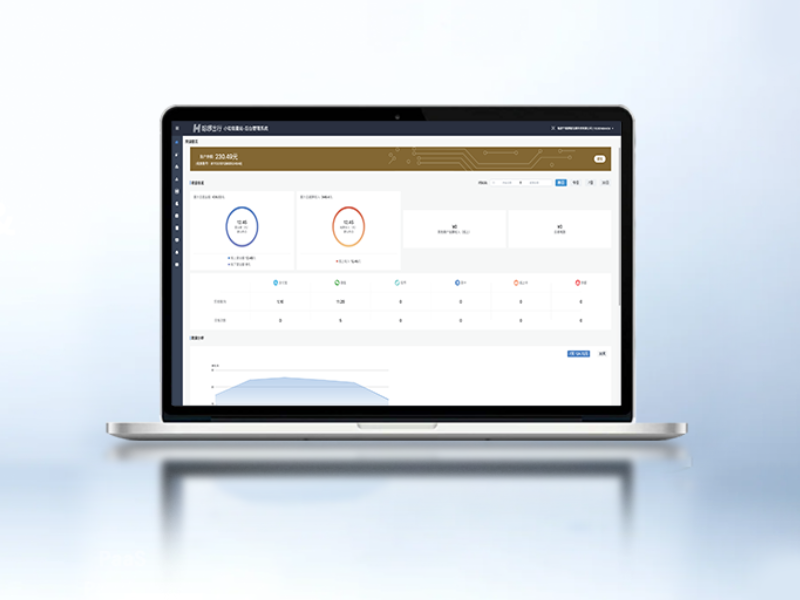
No subscription campaign or pricing strategy compensates for a cabinet that riders have to go out of their way to reach.
The strongest locations are where riders already stop. Food courts on busy delivery corridors, fuel stations near residential clusters, logistics transfer points where parcels change hands between runs. Riders stop there anyway. The swap fits into what they are already doing.
If you already run a business with daily rider foot traffic—a repair shop, a small grocery, a fuel reseller—your existing customers are a ready-made first user base. That is a real operational advantage over starting from zero in a cold location.
Before committing, check the physical requirements: a power connection rated for the cabinet load, a reliable mobile data signal for cloud platform connectivity, 24/7 site access, and enough lighting for safe nighttime use. Getting these confirmed before signing anything saves a lot of trouble later. The harder problem, which no site checklist solves, is making sure there are riders ready to use the cabinet when it goes live.
User acquisition is not something to figure out after launch. During site preparation, reach out to local delivery platforms, courier companies, and logistics operators in the area. Even a loose arrangement with one fleet means your cabinet starts generating swaps from the first week rather than from zero.
Delivery riders tend to be the most consistent subscribers. Their income depends on the time on the road, and sitting at a charging point waiting for a battery to top up is time they are not earning. A monthly swap plan fits their working rhythm in a way that home charging or public charging does not, and it makes their daily energy cost something they can actually plan around.
For individual riders, onboarding through the HelloSwap app covers account creation, payment setup, and the first swap in a few minutes. A rider who gets through that smoothly and finds a fully stocked cabinet the next morning will come back. Keeping it stocked is where the daily work begins.
Running a battery swap station well is mostly about catching small problems before they become rider-facing ones. Check the operations dashboard before peak demand hits. In most delivery-heavy areas, that means once before midday and once before the early evening rush. Confirm that the charged battery inventory is adequate, and handle any overnight alerts before riders start arriving.
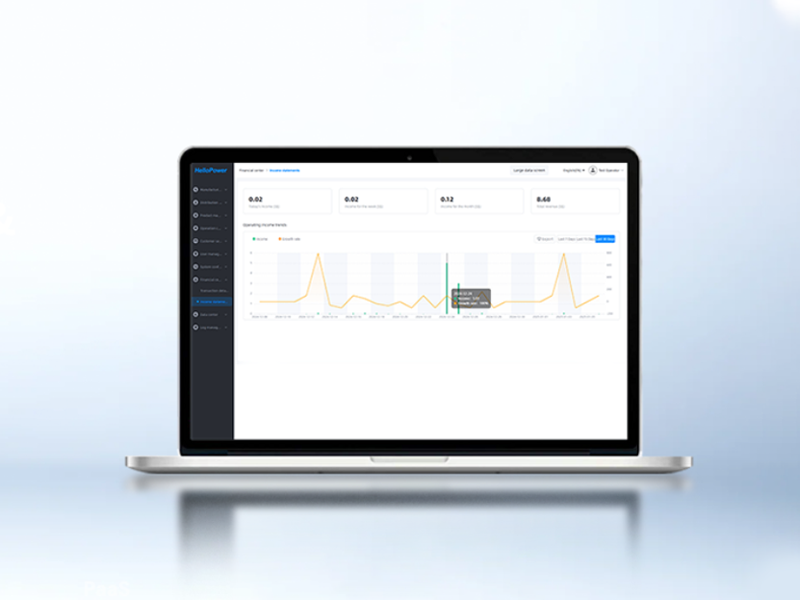
The platform's remote monitoring catches most issues in advance. Every battery reports its voltage, temperature, state of charge, and cumulative cycle count in real time. Connector wear, communication faults, and queued software updates surface as alerts before they cause a failed swap. Operators who clear these alerts the same day run consistently above 95% cabinet uptime. Below that threshold, riders start routing around you.
Electricity is the main recurring cost you can directly control. The platform's scheduling system shifts battery charging to off-peak tariff hours automatically once configured, which on its own makes a noticeable difference to monthly margins.
Batteries in a swap operation are not consumables. Managed well, they hold their value. Neglected, they erode it faster than any other cost in the operation.
What determines battery lifespan is not just cycle count, but how each charge session is managed. Our AI-based BMS learns each pack's individual degradation pattern and adjusts charging behavior accordingly, rather than running every battery through the same protocol. Packs that would otherwise decline prematurely get a charge profile matched to their actual condition.
That predictive layer also changes how operators make replacement decisions. Instead of swapping out batteries on a fixed schedule or waiting for a field failure, you act on real health data at the cell level. Over a three- to five-year operating period, that difference compounds noticeably against your battery capital cost.
Riders who swap at your station every day already trust you with something they depend on for their income. Battery purchases, maintenance, minor repairs, and equipment upgrades are a natural next step—things they need regularly and would rather sort out somewhere they already know. One of our Shenzhen partners doubled revenue two consecutive years on exactly this basis. The cabinet brought riders in daily. The services kept their spending from going elsewhere.
A Huai'an-based partner in our network started with four people. Seven years later, they operate across 20+ cities with a team of 100+. That did not happen by opening sites randomly. It happened by treating the first station as a template: defined site criteria, a consistent onboarding process, and a clear utilization threshold that signals when the next site is ready.
Utilization data from a live battery swapping cabinet tells you more than any market report. High and consistent swap volume at one location is a clearer signal to add nearby capacity than a projected market size figure. Building density in one area before spreading to new territory makes a practical difference, too: riders only commit to a swap network as their primary energy source when there is a cabinet reliably on their route, not just occasionally near it.
For more on cost structures and what to expect at different scales, see our battery swapping profitability guide. For operators evaluating cabinet types and deployment formats, our indoor vs. outdoor deployment guide covers the practical tradeoffs.
Our engagement starts with a direct conversation about your market, your site, and what you are trying to build. From there, we propose a cooperation structure, develop a project roadmap, and support you from hardware delivery through to operational go-live.
HelloSwap works with operators across every scale and market context, from a single cabinet added to an existing business to multi-site networks being built from scratch. Our deployment experience spans 500+ cities with more than 5 million active batteries in the field. When you bring us a project, the analysis we provide is grounded in real operational data, not projections.
Contact the HelloSwap team to discuss your deployment.
Contact Us
hellopowerglobal@hellobike.com
Location
2F, Building 1, No.898 XiuWen Road, MinHang District, Shanghai, China
Copyright © 2024 福建宁德惠智无限科技有限公司 All Rights Reserved. 闽ICP备2023025900号-3.


