
How to Identify a Safe Battery Swapping Cabinet for Electric Two-Wheelers
2026-01-29
Battery swap cabinets can work indoors or outdoors, but the right choice is project-specific and tightly linked to safety codes, user behavior, and available sites in each market. This guide helps you compare indoor and outdoor deployment, then choose a mix that fits your riders, regulations, and growth plan—with HelloPower (HelloSwap in Thailand) as your partner from design to operation.
Battery swapping is moving from trial cabinets to networked infrastructure across streets, depots, malls, industrial parks, and residential entrances. That shift makes the installation environment a strategic decision rather than a purely technical one.
Fire and building safety: Lithium-ion battery swap systems are increasingly covered by international guidance and national fire and electrical codes, which often treat indoor and outdoor cabinets differently.
User access and business model: A cabinet inside a fleet depot behaves very differently from one on a sidewalk or fuel station forecourt in terms of traffic, revenue, and responsibilities.
Operations and scaling: The environment determines how much you rely on staff vs. automation, and how fast you can replicate sites across a city.
HelloPower uses these factors as the starting point when designing deployment plans with partners, instead of pushing a fixed "indoor only" or "outdoor only" template.
Indoor battery swap cabinet installation makes sense when you operate in controlled environments with clear access management.
Fleet depots and logistics hubs: Distribution centers, back-of-house loading areas, or courier hubs where vehicles start and end shifts.
Corporate or campus mobility: Factories, business parks, or university campuses running internal two-wheeler fleets.
Integrated service centers: Combined swap, maintenance, and rental hubs that already have workshop or service-center spaces.
In these settings, access is restricted to staff, contractors, or members, and site rules can be enforced consistently.
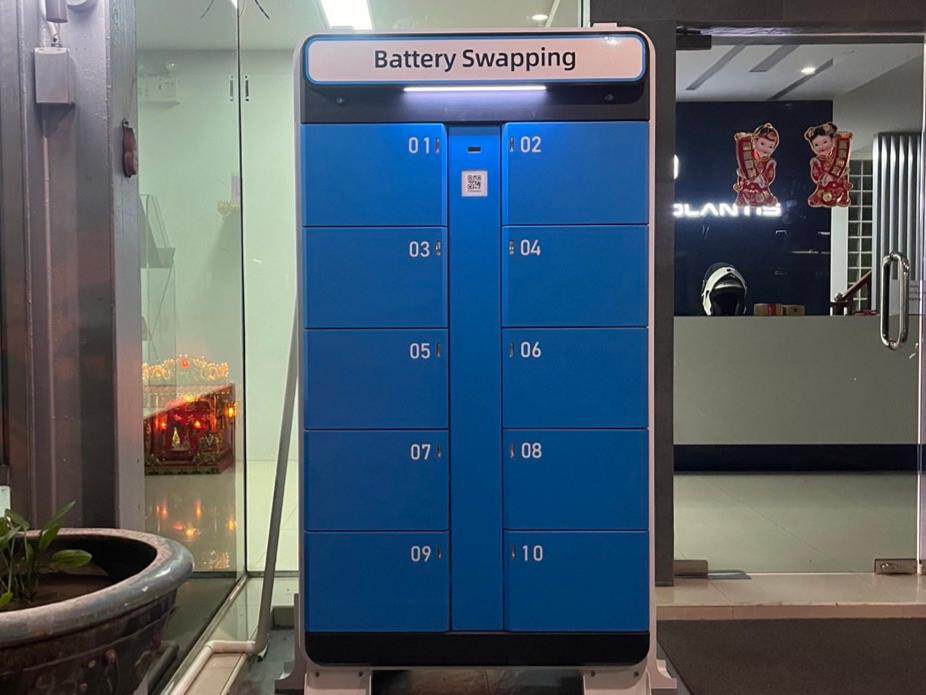
Indoor deployment emphasizes control and deeper integration into existing facility management.
Environmental stability: Cabinets are shielded from rain and direct sun; temperature, humidity, and dust are generally easier to manage than in fully exposed outdoor locations.
Utility and IT integration: Connecting to internal distribution boards, structured cabling, and local networks can be simpler than securing new external feeds.
Procedural control: Responsibilities for inspections, housekeeping, and emergency response can be embedded into facility SOPs and staff training.
Higher regulatory scrutiny: Many jurisdictions restrict where lithium batteries can be stored and charged indoors, often requiring fire-rated rooms, separation from occupied spaces, and engineered ventilation or suppression.
HelloPower supports partners by mapping cabinet configuration and room design to applicable guidance (such as IEC 62840-1 style concepts for swap systems plus local electrical and fire codes), rather than relying on a single national standard.
Outdoor battery swap cabinets aim at high-traffic corridors and rider hotspots where convenience and visibility drive adoption.
Streets and public forecourts: Sidewalks, fuel station forecourts, and mobility hubs where riders naturally pass.
Retail and food clusters: Convenience stores, Q-commerce aggregation points, and restaurant streets used by delivery riders.
Community entrances and transit nodes: Entrances to residential areas, metro or bus interchanges, and park-and-ride facilities.
These locations support mixed user groups—platform riders, independent couriers, and sometimes private owners—who value fast, self-service access at all hours.
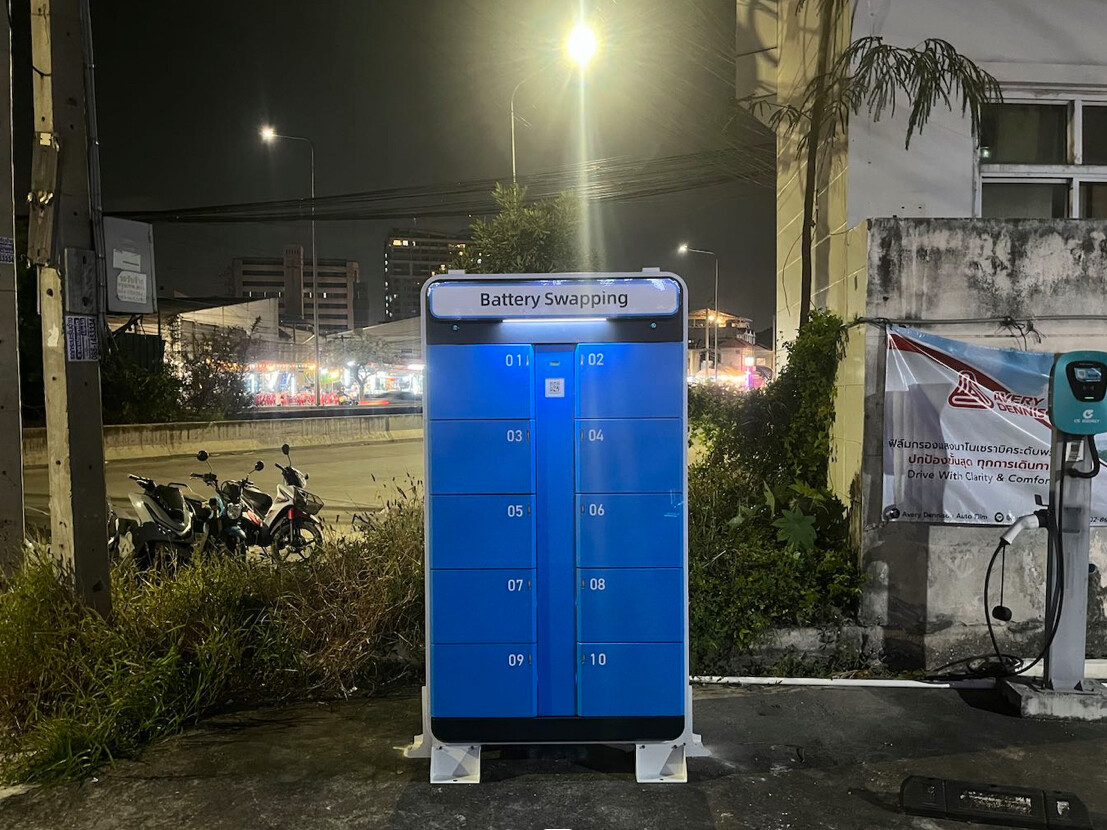
Outdoor deployment focuses on accessibility, robustness, and remote operations.
Environmental resistance: Cabinets must withstand sun, rain, dust, humidity, and in some markets coastal spray or freezing conditions; IP-rated enclosures and thermal control are essential.
Unattended 24/7 operation: Reliable locks, vandal-resistant housings, and remote diagnostics are critical because staff are rarely on site.
Site and grid coordination: Sidewalk or roadside sites require agreements on right-of-way, clearance, and connection to nearby panels or transformers, which can differ sharply by city.
Perception and community acceptance: Good siting avoids obstructing walkways or clustering too close to building facades, helping address resident concerns and regulatory reviews.
HelloPower designs outdoor cabinets as compact, weather-resistant "energy nodes" with per-slot monitoring, remote shutdown, and fault isolation to support safe unattended operation.
Dimension | Indoor Swap Cabinets | Outdoor Swap Cabinets |
User access | Mostly staff, tenants, or registered members. | Mixed public riders and fleets, walk-up or app-driven. |
Accessibility | Often tied to building or depot hours unless special 24/7 access is arranged. | Designed for self-service 24/7 with no on-site staff. |
Safety & codes | Subject to interior lithium storage/charging rules, typically needing fire-rated separations and engineered protection. | Placed in open or semi-open areas with required clearances from buildings and emergency access routes. |
Environment | Stable; protected from weather, easier temperature and dust control. | Must handle rain, UV, dust, and temperature swings with IP-rated enclosures and thermal design. |
Operations | Easier to integrate into existing facility staff routines and inspections. | Depends heavily on IoT monitoring, predictive maintenance, and route-based service runs. |
Scaling pattern | Fewer, more centralized hubs with deep integration into each site. | Many small nodes, optimized for broad coverage and redundancy. |
Commercial focus | Enterprise contracts, corporate fleets, campus/off-street mobility. | B2C subscriptions, marketplace fleets, and high-frequency riders. |
For food-delivery, groceries, and other on-demand services, time and location beat everything else.
Make outdoor or semi-outdoor cabinets near restaurants, dark stores, and rider bases your backbone so riders can swap "on the way" rather than detouring to depots.
Add a limited number of indoor cabinets at major fleet hubs or rider centers for battery diagnostics and training-related operations.
Use one standardized cabinet family that supports the voltage and capacity mix in your fleet so riders keep the same app and process everywhere.
HelloPower already uses this pattern in dense Asian cities, then adjusts siting and compliance details based on each new country's regulations and building culture.
Where vehicles are owned by a single organization and return to fixed sites, indoor or semi-indoor deployment may create a cleaner governance model.
Place cabinets inside or immediately adjacent to depots, loading bays, or secure yards so riders swap as part of daily routines.
Tie cabinet monitoring into existing facility dashboards and emergency procedures, aligning with the same teams who manage fire panels and electrical rooms.
Where codes limit indoor lithium storage, consider fire-separated rooms or covered external enclosures connected to the depot rather than street-facing sites.
This approach gives you tight control over who uses the system, how assets are managed, and how incidents are handled.
For city-scale infrastructure, a phased and mixed strategy is usually more resilient than a pure indoor or outdoor approach.
Phase 1 – controlled pilots: Start with a small number of indoor or semi-outdoor sites at partner depots, fuel stations, or off-street car parks to validate economics and operations.
Phase 2 – public expansion: Add outdoor cabinets at mobility nodes and high-traffic corridors, using a repeatable site template aligned with local codes and utility practices.
Phase 3 – optimization: Use live operational data (e.g., swaps per slot, time-of-day patterns, alarm events) to refine cabinet sizes, opening hours, and the proportion of indoor vs. outdoor over time.
HelloPower's cloud platform tracks cabinet and battery performance across all environments under one account, so you can evolve the mix without changing tools.
 Cloud Platform for Battery Swapping Network_1773195131616.png)
In most markets, the most robust architecture combines indoor and outdoor deployment rather than choosing one side.
Core street network: Outdoor cabinets near the highest rider flows (e.g., transit nodes, commercial strips, fuel or retail forecourts).
Enterprise and park nodes: Indoor or sheltered cabinets in depots, industrial estates, and campuses that anchor large fleets.
Service back-end: Larger indoor hubs where batteries are inspected, tested, and processed across their full life cycle before returning to the network.
This mixed model builds redundancy for riders and makes it easier for operators to stay aligned with different landlords and regulatory regimes in the same city.
From a product and solution standpoint, the easiest way for operators to grow is to use one flexible cabinet platform that can be configured for indoor and outdoor sites.
HelloPower (HelloSwap) solutions are built around this idea:
Modular cabinet families: 5–12 slot cabinet options, 48–72 V compatibility, and power levels sized for two-wheeler use mean you can serve small indoor depots or high-throughput outdoor hubs with the same ecosystem.
Scenario-dependent safety packages: Per-slot temperature and smoke monitoring, electrical protections, and localized suppression technologies (such as aerosol or other approved fire-suppression systems, depending on configuration and local codes) support safe operation across unattended networks.
Environmental options: IP-rated cabinet enclosures, coatings, and thermal control enable outdoor and semi-outdoor deployment, while indoor sites can focus more on integration with room-level fire and ventilation systems.
Compliance-ready design: Cabinets and batteries are engineered to align with relevant frameworks such as IEC-type EV swap guidance and local electrical/fire requirements, as well as regional schemes where applicable; for overseas partners, the focus is on mapping to local standards and approval pathways rather than any single domestic mark.
Unified software platform: All battery swap cabinets—indoors or outdoors—are monitored, updated, and analyzed through the same cloud system, simplifying operations and integration with fleet apps, payment providers, or city platforms.
This architecture lets you start small and reuse the same building blocks as you scale across districts and even across countries.
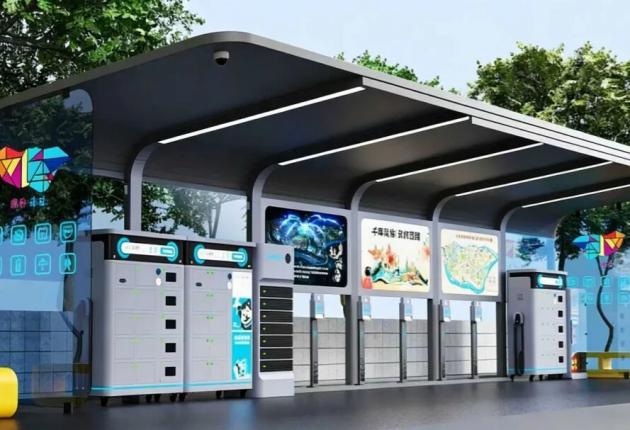
Before locking in "indoor" or "outdoor" for a project or city, it helps to answer four practical questions with your team and local advisors.
1. Who are your primary riders in the first phase?
Gig-economy riders and small merchants typically require highly visible, outdoor or semi-outdoor cabinets near daily routes.
Corporate, campus, or public-sector fleets often benefit more from indoor or depot-linked installations.
2. How wide do you need coverage to be in the next 12–24 months?
If the focus is efficiency in a few districts, a smaller number of strong indoor or semi-outdoor hubs may be enough.
If you want city-wide presence, outdoor nodes will usually need to carry most of the network.
3. What sites and power are realistically available?
Some markets offer easier approvals for private premises with indoor technical rooms.
Others push new lithium installations into outdoor or detached structures, making sidewalk, parking-lot, or perimeter placements more straightforward.
4. Are you piloting or already scaling?
Pilots benefit from environments where you can observe and adjust operations easily—often indoor depots or partner properties.
Scaling requires a standard cabinet and installation template that can be repeated across many outdoor and indoor locations.
HelloPower works with partners to translate these answers into a site shortlist, technical configuration, and rollout plan that fits local conditions and long-term growth goals.
A balanced indoor–outdoor strategy turns battery swapping from isolated cabinets into reliable energy infrastructure tailored to your riders, sites, and regulations. If you share your target market, user profile, and rough rollout timeline, the HelloPower (HelloSwap) team can help you design and implement a compliant, scalable deployment plan for your next phase—reach out now to start a detailed project discussion.
Contact Us
hellopowerglobal@hellobike.com
Location
2F, Building 1, No.898 XiuWen Road, MinHang District, Shanghai, China
Copyright © 2024 福建宁德惠智无限科技有限公司 All Rights Reserved. 闽ICP备2023025900号-3.


