
Battery Swapping Cabinet Safety Standards Explained: Fire Protection, BMS, and Compliance
2026-01-23
Electric two-wheeler battery swapping represents a long-term infrastructure commitment, not a simple equipment transaction. The battery swap cabinet supplier you choose today determines whether your network achieves scalable growth, operational reliability, and sustainable profitability—or struggles with integration failures, maintenance bottlenecks, and unsustainable unit economics.
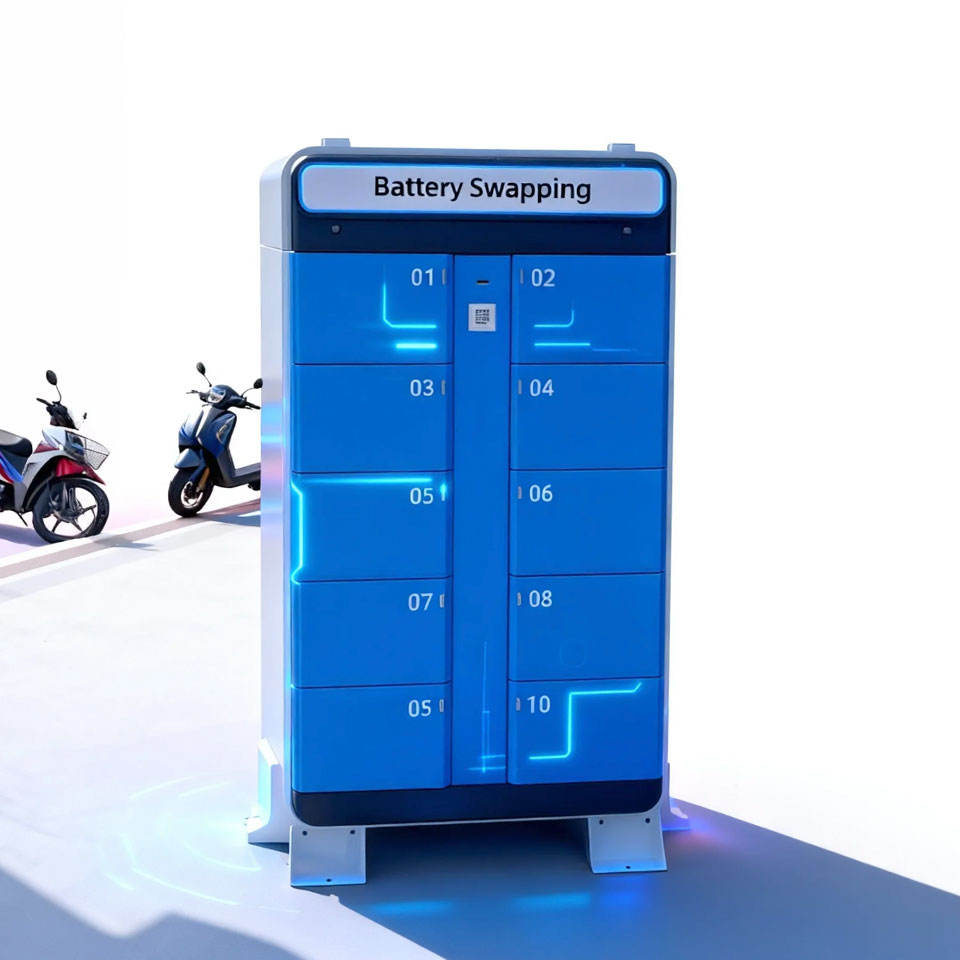
Electric two-wheeler battery swap operates under fundamentally different constraints than passenger car systems. Two-wheelers experience higher daily swap frequency, serve geographically dispersed riders with unpredictable patterns, and deploy stations in street-level urban environments. Car battery swap typically serves centralized fleet depots with controlled usage cycles. Suppliers adapting automotive solutions to E2W create critical mismatches in battery weight handling, slot configurations, and user interaction design.
Genuine E2W battery swapping specialization reveals itself through product designs optimized for E2W battery dimensions, operational experience with delivery platforms and shared mobility operators, and live network deployments serving food couriers and last-mile logistics. Suppliers with only automotive pilot projects lack the operational intelligence embedded in systems managing millions of daily two-wheeler swaps.
HelloPower & HelloSwap focuses on the E2W segment, managing 10 million+ vehicles and handling hundreds of millions of battery swaps annually—demonstrating the operational scale required to inform product roadmaps and operational best practices.
Battery swap cabinets function as networked infrastructure nodes requiring seamless backend integration. Operators purchasing isolated hardware face costly protocol mismatches, manual workarounds for battery diagnostics, and disconnected payment systems that disrupt service continuity. Successful battery swapping requires coordinated cloud platforms that support real-time battery health monitoring, automated user authentication, and predictive maintenance scheduling.
Complete integration includes cloud platforms with fleet-wide analytics, mobile apps displaying live station availability, API connectivity to existing logistics systems, and OTA firmware updates ensuring network-wide security patches. Unified vendor relationships eliminate multi-supplier finger-pointing when integration failures occur, creating single-source accountability across hardware, software, and operational support.
HelloPower & HelloSwap provides end-to-end integrated battery swap systems where hardware and software operate as a unified ecosystem—all developed in-house by the joint venture combining Hello Inc.'s mobility expertise, Ant Group's fintech infrastructure, and CATL's battery technology.
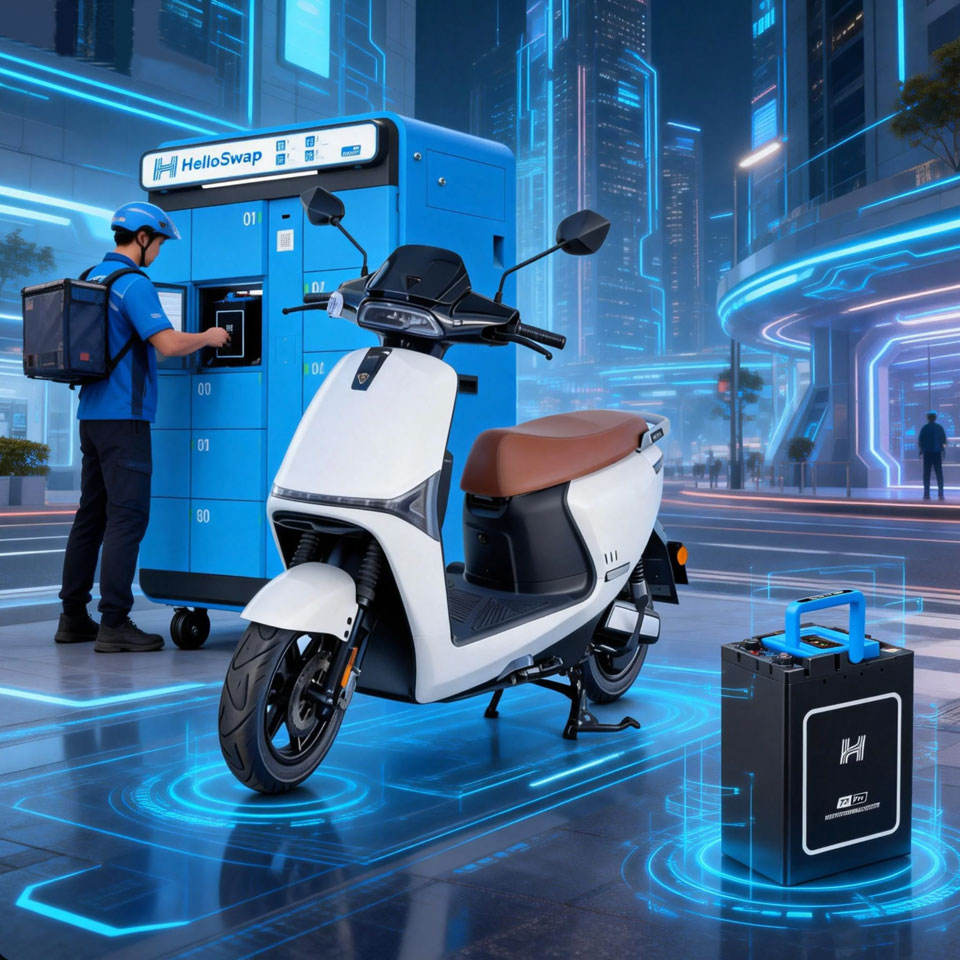
Sample unit fabrication succeeds easily under close engineering oversight. Large-scale deployment, however, exposes supply chain weaknesses invisible during 10–50 unit pilots. Suppliers without dedicated production lines experience delivery delays during demand surges, forcing operators to miss market windows against faster-moving competitors. Multi-city expansion requires logistical competence in managing customs clearance, local regulatory compliance, and distributed installation teams.
Evaluate whether suppliers maintain battery swap-specific production lines or manufacture cabinets as secondary products alongside unrelated hardware. International project portfolios demonstrate the ability to manage simultaneous deployments across diverse regulatory environments and geographic markets.
HelloPower & HelloSwap maintains dedicated manufacturing capacity validated through 80K+ cabinet deployments across 500+ cities, with standardized deployment templates and supply chain processes enabling consistent delivery timelines across new markets.
"One Cabinet Fits All" strategy fails across three dimensions. Electrical incompatibility emerges when fixed-voltage cabinets cannot support mixed vehicle fleets. Environmental demand varies across climates—tropical regions need moisture resistance while cold regions require heating capability. Regulatory differences complicate cross-market deployment—fire suppression regulations, data storage mandates, and payment gateway requirements differ by jurisdiction.
Effective suppliers offer hardware flexibility supporting multiple voltage ranges and slot configurations, fire suppression options matching local safety regulations, and weatherproof designs for outdoor deployment. Software customization includes regional payment integration, adjustable charging algorithms, and monitoring protocol selection. Appearance customization supports operator branding.
HelloPower & HelloSwap's battery swap solutions deliver multi-voltage cabinets (48V–72V), configurable 5–12-slot options, modular fire suppression systems (aerosol or water), heating for sub-zero climates, and IP54 weatherproof enclosures—with software APIs for regional payment integration, 4G/WiFi/GPS monitoring protocol support, and 30-day onboard data retention.
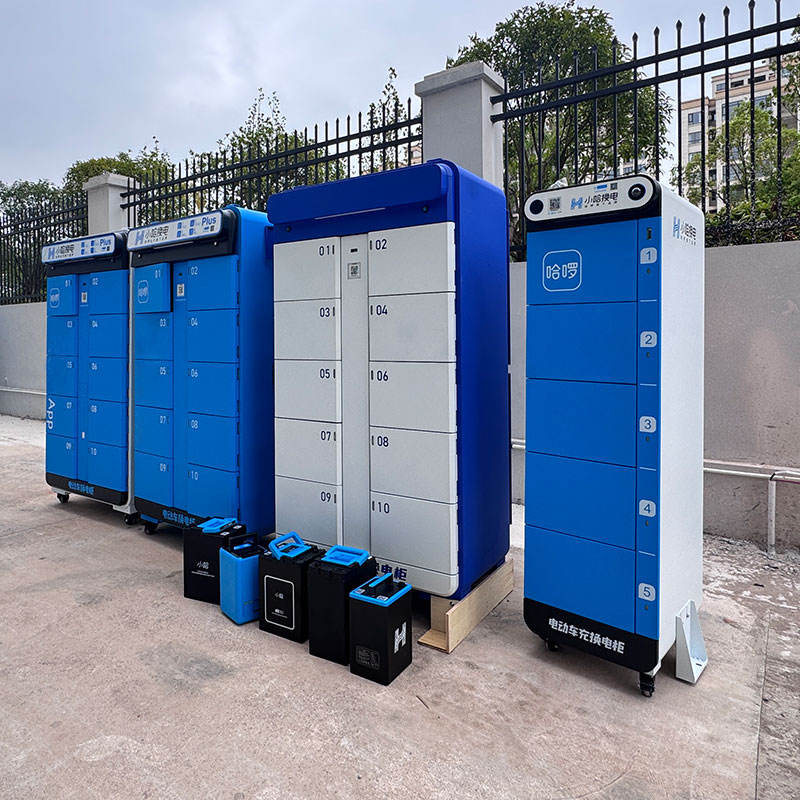
Network profitability depends on matching deployment density and operational strategy to local market conditions. Markets differ significantly: food delivery fleets concentrate swapping stations in high-traffic urban zones; city commuting networks require dispersed locations across residential and workplace areas; logistics operations prioritize nodes along major routes. Generic deployment ignores these market realities, resulting in misallocated capital, underutilized stations, and extended payback periods.
Suppliers with market expertise recommend location strategies accounting for local demand patterns, advise on operational scaling synchronized with rider growth, and suggest pricing approaches reflecting regional competition and end-user economics. Such guidance prevents costly early-stage errors—overbuilding low-demand areas, underestimating peak capacity needs, or ignoring local regulations.
HelloPower & HelloSwap combines research on regional policies and travel patterns with algorithmic models derived from extensive operational experience. This tailors deployment strategies for each market, emphasizing optimal station location selection, thoughtful capacity planning, and operational efficiency optimization—reducing trial-and-error costs during network launch.
Language barriers complicate technical troubleshooting and installation guidance. Remote deployment without local technical teams causes improper cabinet placement, inadequate electrical connections, and commissioning delays. Suppliers unfamiliar with local permitting processes underestimate approval durations, causing costly delays. Understanding regional payment preferences, infrastructure conditions, and regulatory environments separates experienced suppliers from novices.
Suppliers with proven international track records demonstrate multi-country case studies with specific deployment metrics. Remote support infrastructure includes multilingual customer service, video-based diagnostics, and cloud monitoring accessible across time zones. Proven market adaptations reveal whether suppliers can adapt systems for different real-world environments and support rapid scaling across diverse regulatory regions.
HelloPower & HelloSwap deployed 200+ battery swap cabinets and 10 integrated service stations across Bangkok within six months, achieving 90% coverage of key commercial districts. NBTC certification demonstrates the regulatory navigation capability to handle global market entry and deployment.
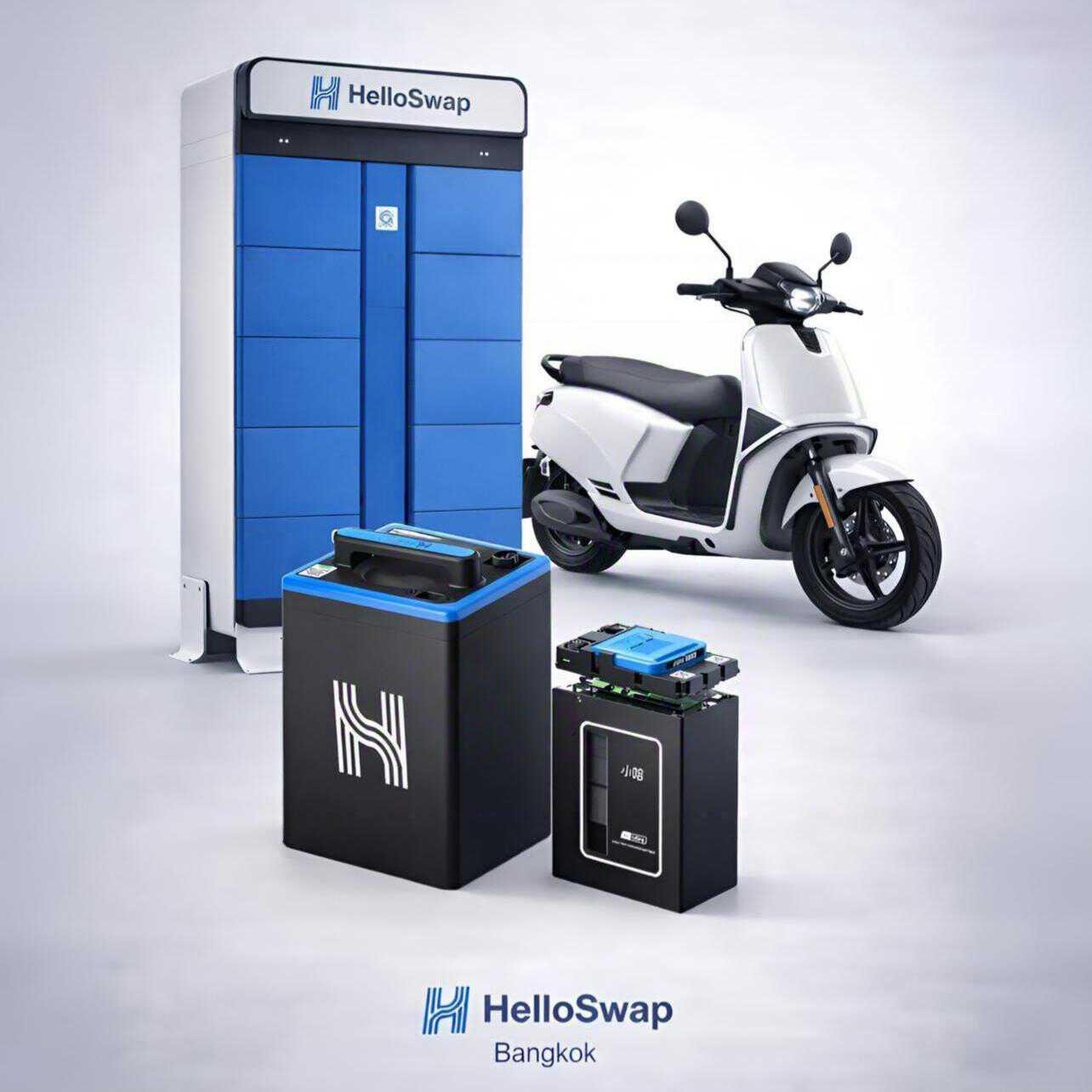
Battery swapping networks mature over years, requiring continuous refinement as technology advances, regulatory requirements shift, and competitive dynamics evolve. Batteries degrade predictably, swap technologies advance, and user expectations shift. Suppliers abandoning partnerships post-delivery leave operators with unsupported hardware, unpatched security vulnerabilities, and no recourse for addressing component failures or system obsolescence.
True partners provide ongoing optimization consulting based on network performance data, recommend adjustments aligned with operational metrics, and support system upgrades without mandating full hardware replacement. Active engagement through regular reviews, proactive maintenance, and innovation roadmap alignment signals commitment to mutual growth rather than transactional relationships.
HelloPower & HelloSwap maintains expert support throughout operational cycles, providing practical training and synchronizing industry best practices to optimize efficiency. The intelligent platform enables dynamic cabinet-battery-vehicle matching while supporting network profitability and accelerating investment return cycles.
Selecting a battery swap cabinet supplier determines the technology roadmap, partnership model, and long-term risk management. The right partner—like HelloPower & HelloSwap—combines E2W operational expertise, integrated solution architecture, scalable supply chains, functional customization, business model literacy, international execution capability, and partnership commitment. These capabilities separate networks achieving sustainable profitability from those struggling with operational inefficiencies, user churn, and unsustainable unit economics.
Reach out to HelloPower & HelloSwap today for a customized, comprehensive battery swap solution from site selection and hardware deployment to cloud platform integration and ongoing operational optimization. See how proven systems can accelerate your network's path to profitability and scale.
Contact Us
hellopowerglobal@hellobike.com
Location
2F, Building 1, No.898 XiuWen Road, MinHang District, Shanghai, China
Copyright © 2024 福建宁德惠智无限科技有限公司 All Rights Reserved. 闽ICP备2023025900号-3.


