
What Is a Battery Swapping Cabinet and Why It Matters for E-Scooters & E-Bikes in 2026
2025-12-12
The global landscape of urban mobility is undergoing a profound transformation. Driven by rising fuel costs and stricter emission regulations, two-wheel EVs (E2Ws) and three-wheel EVs (E3Ws) are capturing a rapidly growing share of the market for daily commuting and last-mile logistics. As this transition deepens, smart charging stations have emerged as the critical nexus connecting regional energy grids with transportation systems. However, municipal planners and commercial operators face a pressing challenge: moving beyond fragmented pilot projects to build robust, scalable smart charging infrastructure. The market opportunity is immense, but capitalizing on it requires overcoming significant hurdles in grid capacity, site acquisition, and operational efficiency to meet the exploding demand for reliable energy access across entire metropolitan and inter-city regions.
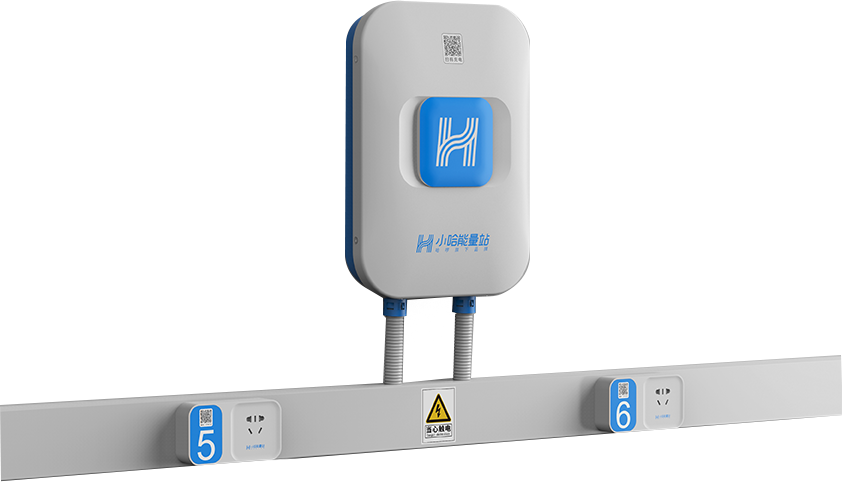
A truly scalable smart charging network extends beyond mere hardware; it requires an integrated ecosystem designed for stability, efficiency, and limitless growth. Below are the foundational components that define a high-performance smart charging network:
Intelligent Charging Terminals: Advanced EV smart charging station units designed for unattended operation in diverse locations. Features like QR code scanning for instant access and countdown timers ensure a seamless, self-service user experience.
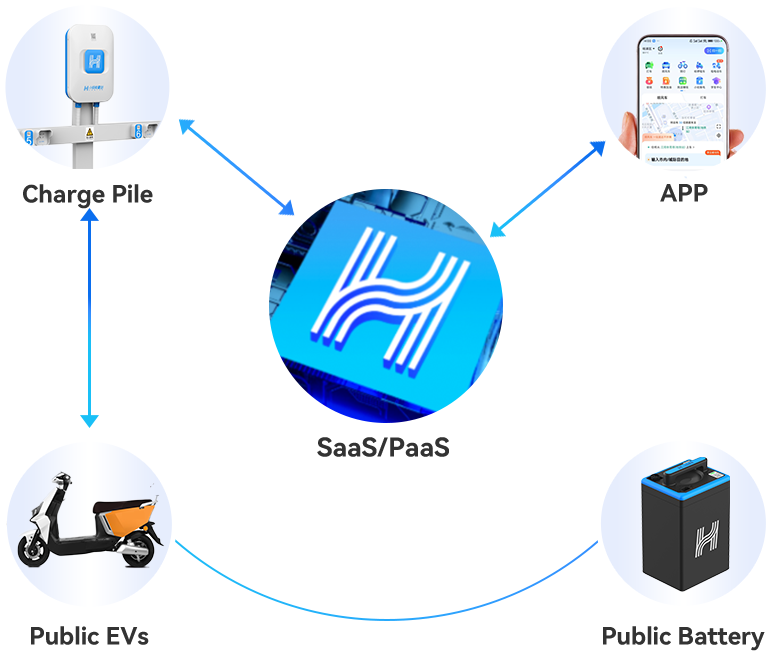
Cloud Platform and Dispatch System: A centralized digital brain that continuously monitors station status and orchestrates energy flow across thousands of distributed nodes, enabling predictive maintenance to identify issues before they cause service interruptions.
Universal Compatibility Design: Hardware engineering designed to support a wide spectrum of vehicle types, featuring multi-voltage protocols and multi-power output options (standard 220V AC input) to seamlessly serve diverse fleet requirements without needing hardware modification.
Safety and Redundancy Systems: Multi-layered protection protocols featuring automatic overload detection, short-circuit fuse mechanisms, and high-temperature cutoff, guaranteeing safe, unattended 24/7 operation while minimizing risks from user misuse or grid fluctuations.
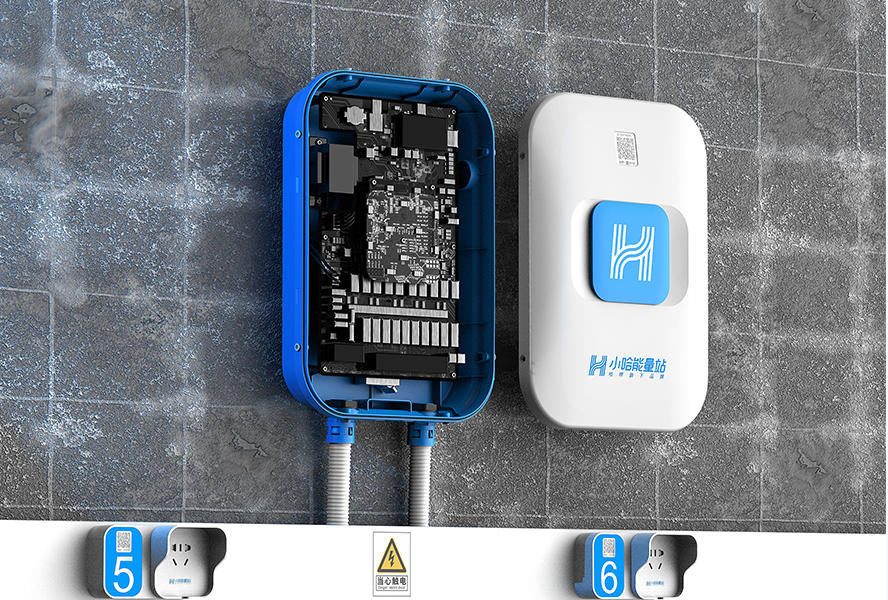
To ensure seamless operations across mixed fleets and expansive regions, smart charging stations must possess universal adaptability. Professional smart charging solution providers like HelloPower & HelloSwap utilize advanced communication protocols to bridge the gap between infrastructure and diverse battery brands.
BMS Auto-Identification: The system is engineered to automatically read Battery Management System (BMS) data upon connection, instantly adjusting charging parameters to match the specific chemistry and voltage requirements for optimal performance.
Protocol Handshake: A secure digital handshake process verifies the battery's health status and manufacturer authenticity before current flows, effectively preventing potential damage from incompatible, unauthorized, or faulty battery units entering the network.
Fast charging is convenient, but battery longevity is paramount for fleet operators managing assets over large territories. Smart charging balances speed with preservation through intelligent current regulation strategies.
Dynamic Current Adjustment: The charging curve is modulated in real-time by the system, significantly reducing heat generation during the bulk charge phase and tapering off precisely to prevent overcharging and ensure safety.
Life Extension Algorithms: By actively avoiding the chemical stress caused by constant high-amperage input, our proprietary smart charging logic can extend the effective lifecycle of lithium-ion cells by 2 to 3 times compared to standard chargers.
Operational safety extends beyond physical durability to include intelligent circuit protection and user behavior management. Smart charging stations integrate sophisticated logic to protect both the hardware asset and the operator's business model from operational risks.
Intelligent Power Management: Overload protection intelligently identifies unauthorized high-power appliances to prevent users from daisy-chaining power strips. Additionally, the power-based timing function automatically reduces charging duration for detected high-power vehicles, protecting the operator's profit margins.
Active Safety Features: The system ensures comprehensive safety with automatic power-off when a user unplugs or when the battery is fully charged (clearing billing time). It also includes short-circuit protection via fuse mechanisms and high-temperature alarms that cut power if overheating is detected.
Reliability is non-negotiable for a mission-critical smart charging network. Quality smart charging station architecture isolates risks to prevent cascading failures, ensuring that a problem in one port does not disable the entire facility.
Single-Bay Isolation: Each individual charging slot operates with an independent power supply unit and dedicated monitoring circuit, ensuring that power delivery remains stable for all other users even if one bay encounters issues.
Risk Containment: In the rare event of a thermal runaway or electrical fault in one bay, the physical and electrical isolation design prevents propagation to adjacent slots, strictly securing the rest of the asset.
A smart charging network relies on robust connectivity to ensure operational resilience and continuous optimization. By integrating IoT capabilities, operators can maintain high service availability and modernize infrastructure remotely across vast geographical areas.
Real-Time Data Reporting: Every usage statistic is uploaded via 4G/5G networks. Crucially, the system features power-off memory: if a grid outage occurs, the system remembers the remaining time and automatically resumes charging once power is restored.
Over-the-Air (OTA) Updates and Remote Metering: System improvements and firmware upgrades are delivered remotely. Optional remote meter reading enables operators to monitor electricity consumption and billing accuracy in real time.
Successful deployment begins with understanding the specific energy needs of the local population. Planners must leverage granular data to visualize where the demand actually lies before breaking ground.
Commuter Flow Heatmaps: Utilizing advanced data analytics to analyze traffic patterns during peak hours enables the identification of high-density transit corridors where charging infrastructure will have the highest utilization and impact.
Rider Density Tracking: Pinpointing specific concentration zones for food delivery drivers and courier riders who require frequent, rapid top-ups ensures stations are placed exactly where professional fleets need them most.
Location determines utilization. The goal is to place smart charging stations where they naturally integrate into the rider's daily workflow, minimizing detour time across the entire metropolitan area.
High-Traffic Nodes: Prioritizing key urban intersections near major commercial districts and subway entrances ensures maximum visibility and accessibility for daily commuters who rely on E2Ws/E3Ws for last-mile travel.
Logistics Hubs: Co-locating high-capacity stations directly with delivery centers and warehouse districts serves professional fleets, creating dedicated energy hubs that support the operational efficiency of the city's logistics network.
Building a smart charging network is a collaborative effort involving multiple stakeholders. Operators must secure essential resources to streamline the rollout process and reduce barriers to entry.
Shared Space Agreements: Forming strategic partnerships with real estate developers and property managers to utilize underused parking lots transforms dormant real estate into revenue-generating energy assets.
Power and Policy Support: Actively working with local utility companies to secure reliable grid access and leveraging government green energy subsidies can significantly offset the initial capital expenditure (CAPEX) required for deployment.
Scalability is achieved through a phased approach. Jumping straight to region-wide coverage without validation risks capital; a measured strategy ensures sustainable growth and operational maturity.
Phase 1 – Validation: Launching targeted, small-scale pilot programs in key districts allows operators to rigorously test hardware performance under real-world conditions and gather user feedback to validate the business model.
Phase 2 – Replication: Standardizing the successful pilot model for rapid duplication across the city and suburbs uses modular station designs that allow for quick installation and minimal civil engineering work.
Phase 3 – Intelligent Scheduling: Implementing sophisticated cross-district scheduling algorithms balances energy loads across the mature network, guiding users to available chargers and optimizing grid usage across the entire metropolitan region.
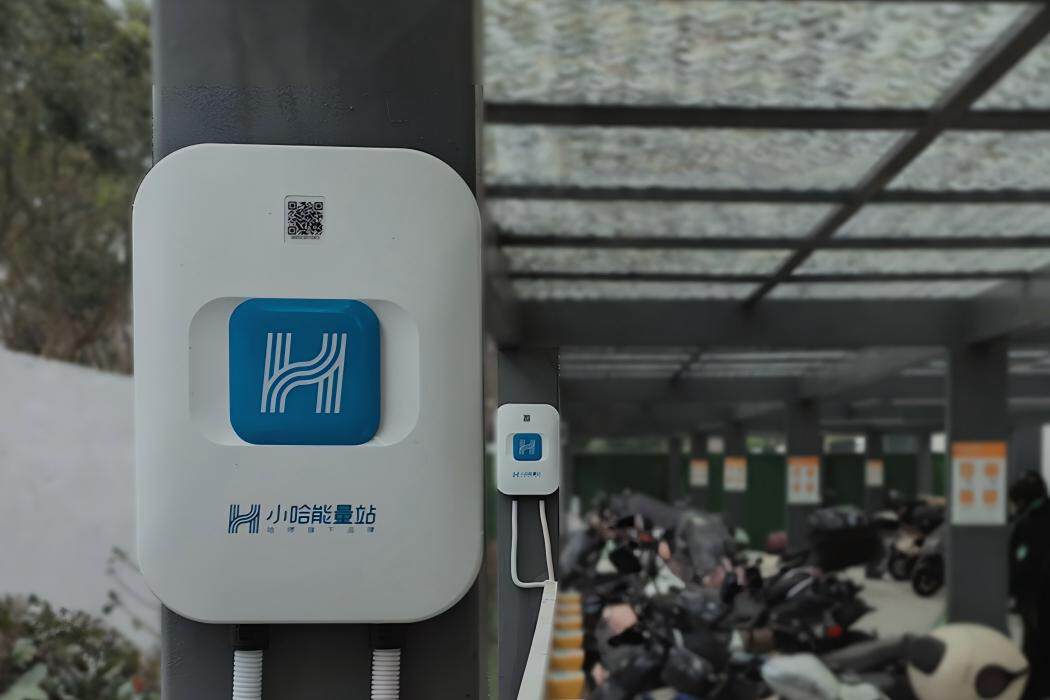
Profitability relies on maximizing asset utilization and minimizing operational overhead. Co-founded by Hello Inc., Ant Group, and CATL, HelloPower & HelloSwap empowers operators by synthesizing massive-scale operational expertise, digital technology capabilities, and premier battery safety standards to create a distinct competitive edge globally.
Precision Billing Systems: Implementing flexible, multi-tiered pricing models based on time of use or membership subscriptions effectively captures revenue from different user segments, from casual riders to high-frequency delivery drivers.
Unified Fleet Scheduling: Deploying intelligent algorithms that actively guide riders to underutilized stations during off-peak times effectively boosts overall network utilization rates by 30–70% and ensures balanced revenue generation.
Smart Energy Management: Utilizing automated power modulation systems to reduce consumption during peak pricing hours can lower operational electricity costs by 10–25% while maintaining service levels, directly improving the bottom line.
Diversified Revenue Streams: Unlocking additional value through digital advertising displays on station screens and integrating battery swapping capabilities creates a multi-functional energy hub that generates diverse income beyond simple charging fees.
Different urban and regional environments require tailored smart charging infrastructure configurations. Below is a breakdown of optimized setups for common scenarios, designed to maximize return on investment (ROI) and shorten the payback period (PBP) across a diverse network.
Scenario | Recommended Power | Charging Slots (Per Station) | Profit Model | Target Entity |
Community and Urban Villages | 3.5–7 kW | 10–24 Slots | Pay-per-kWh | Property Mgmt / Govt |
Commercial Districts | 7–15 kW | 16–32 Slots | Membership + Ads | Network Operators |
Logistics Hubs | 10–30 kW | 24–60 Slots | Fleet Subscription | Delivery Platforms |
Industrial Parks | 15–45 kW | 32–96 Slots | Contract/Lease | Park Management |
HelloPower & HelloSwap provides bespoke energy solutions for specific mobility scenarios. By analyzing local grid capacity and user density, we configure the optimal hardware mix from our versatile portfolio: deploying smart charging stations for residential needs, battery swapping cabinets for high-frequency logistics, or integrated charging & swapping stations for mixed-use hubs. This flexible deployment model ensures each station is appropriately scaled and adequately powered.
The evolution of smart charging infrastructure is heading toward total integration with the regional energy grid. The stations of tomorrow will be active energy participants rather than passive consumers.
Integrated PV-Storage-Charging: Developing self-sufficient stations that combine solar photovoltaic panels with on-site battery storage allows operation independent of grid fluctuations, ensuring resilience and reducing carbon footprints.
V2G (Vehicle-to-Grid): Enabling connected electric vehicles to discharge power back to the grid during peak demand periods effectively turns the charging network into a virtual power plant that stabilizes regional energy supply.
Urban Green Energy Web: Creating a fully interconnected ecosystem where real-time traffic data and energy flow merge allows for the seamless coordination of transport and power systems to create a zero-emission transport environment.
A scalable smart charging network is the fundamental backbone of sustainable E-mobility expansion, transcending city limits to connect entire regions. For urban planners and commercial operators, the time to act is now—laying the groundwork to capture the future green traffic ecosystem is essential for long-term relevance. HelloPower & HelloSwap stands ready to be your partner in this journey. We offer a complete, one-stop service encompassing charging solution design, premium equipment supply, and full-stack platform development and operations. If you are planning to build a comprehensive, region-wide smart charging network, contact us today to realize your vision.
Contact Us
hellopowerglobal@hellobike.com
Location
2F, Building 1, No.898 XiuWen Road, MinHang District, Shanghai, China
Copyright © 2024 福建宁德惠智无限科技有限公司 All Rights Reserved. 闽ICP备2023025900号-3.


