
Why Smart Battery Swap Stations Are the Best Charging Solution for Electric Two- and Three-Wheelers
2025-12-09
The global electric two-wheeler (E2W) fleet continues expanding rapidly, with food delivery platforms, e-commerce logistics, and urban commuting needs driving unprecedented battery consumption. Battery swapping cabinets—intelligent energy terminals enabling instantaneous exchanges—have emerged as the critical infrastructure backbone for this expansion. Rather than waiting hours at conventional charging stations, riders simply exchange depleted batteries for fully charged units in mere seconds. This fundamental shift, championed by industry leaders like HelloPower across 500+ operating cities globally, raises a crucial question: why is battery swapping cabinet technology rapidly becoming the dominant primary energy solution for effectively powering electric mobility in 2026 and beyond?
The battery swapping cabinet is an intelligent device designed to centrally store, rapidly exchange, and uniformly charge electric vehicle batteries, functioning as a networked energy hub.
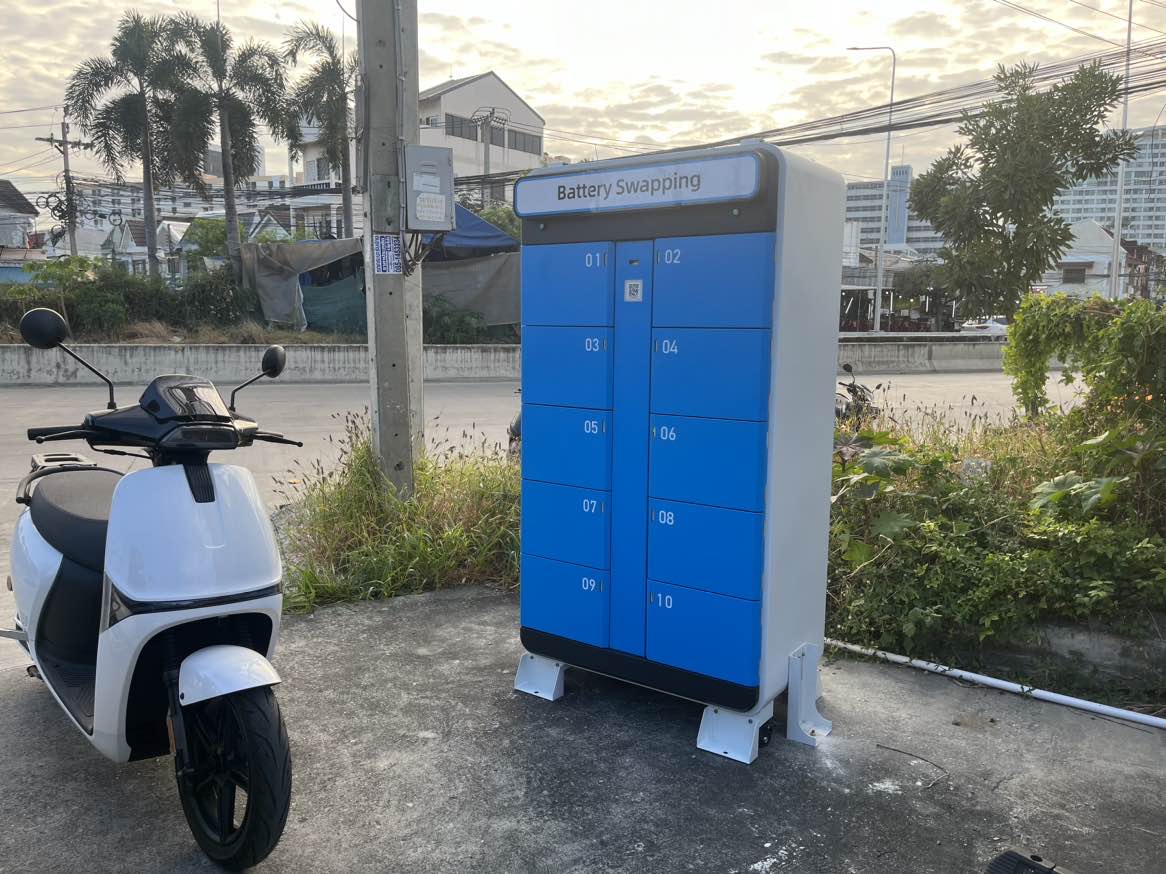
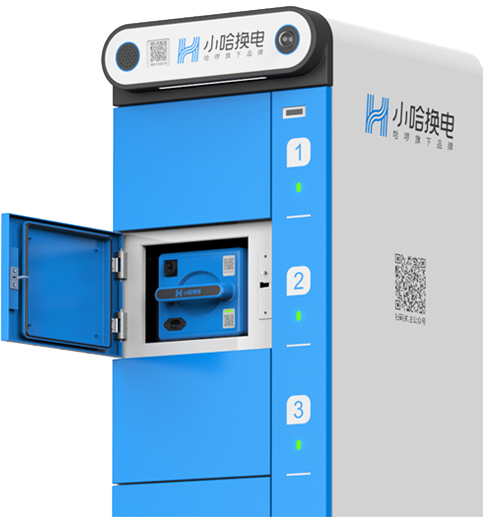
A modern battery swapping cabinet integrates multiple functional systems working in synchronized harmony:
Charging Module: Intelligent charging system with dynamic power distribution, accommodating simultaneous charging of 5–12 batteries depending on cabinet size and design
IoT Management System: Cloud-connected intelligence enabling real-time battery health monitoring, user verification, and transaction logging across the network
Battery Identification System: Precision locking mechanisms and RFID/NFC sensors detecting battery insertion and triggering automated charging protocols
Safety Monitoring Unit: Quick risk control with an intelligent fire-fighting system, and high waterproof, dustproof, and anti-explosion protection grade for outdoor durability
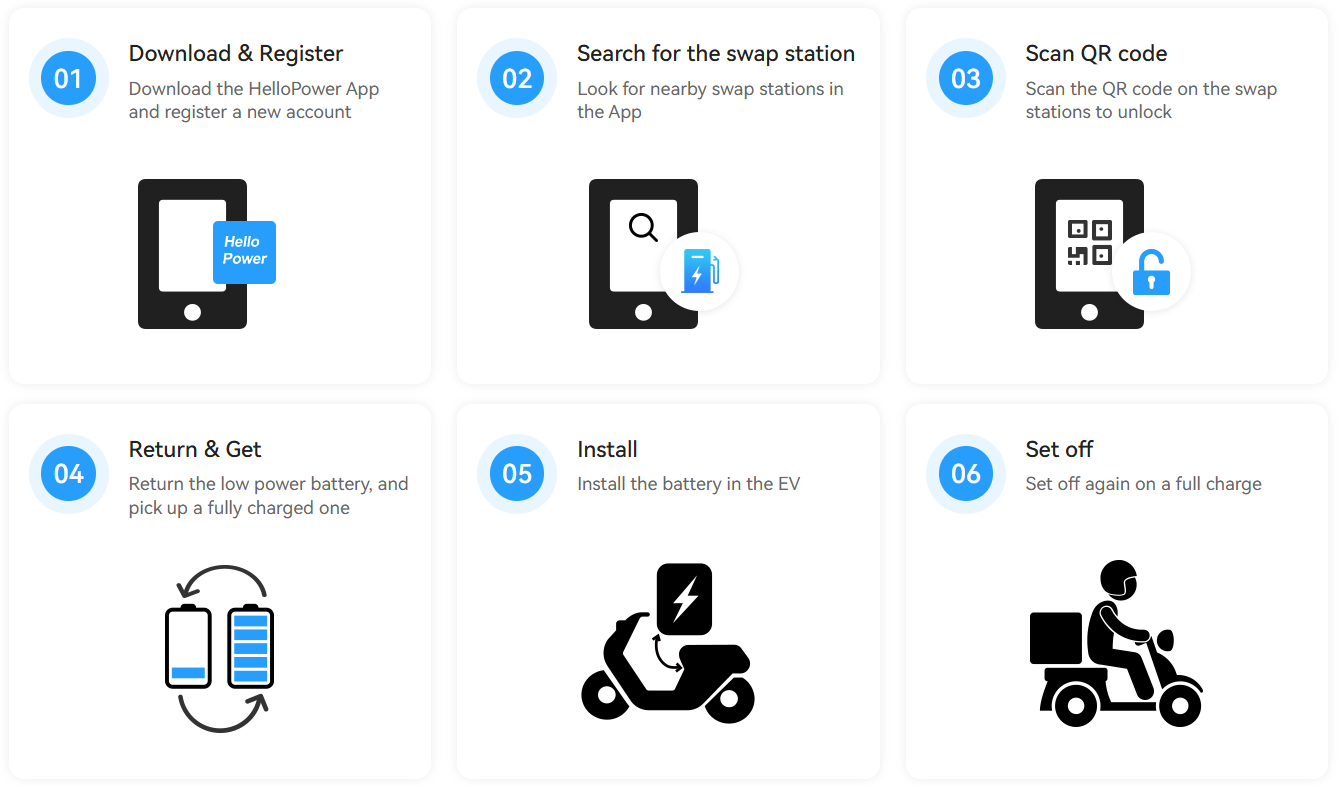
The entire user experience unfolds seamlessly through app-driven automation:
Rider Authentication: User scans QR code or authenticates via mobile app, verifying account credentials and payment method
System Verification: Cloud platform validates user identity, account balance, and battery availability in real time
Depleted Battery Retrieval: Cabinet door opens automatically; rider inserts spent battery into designated bay with integrated charging interface
Charged Battery Access: System immediately unlocks a door containing a fully charged battery; rider extracts and installs it in E2W
Traditional plug-in charging transmits electrical energy through wires over extended periods. Battery swapping eliminates this transmission delay through physical battery exchange, fundamentally redefining energy delivery architecture.
Industry Challenge | Battery Swapping Cabinet Solution |
Slow charging creates idle time, reducing daily deliveries | 6-second swap enables unlimited daily operations; zero downtime during peak earning hours |
Unsafe private charging (exposed wires, fire hazards) | Centralized cabinet equipped with real-time fire detection and auto-extinguishing |
Unpredictable operational costs with variable electricity usage | Standardized monthly subscription fees; predictable costs regardless of demand peaks |
Limited nighttime operations due to charging logistics | 24/7 unattended cabinet operation; riders access fully charged batteries anytime, anywhere |
Industry-leading battery swapping cabinets comprehensively address all critical industry pain points through centralized intelligent management, efficiently eliminating operational downtime, safety risks, and cost unpredictability.
Battery swapping cabinets deliver multiple critical competitive advantages over traditional charging infrastructure, fundamentally transforming operational efficiency and overall user experience.
Delivering a 6-second seamless swap experience, battery swapping completes far faster than the 4–8 hours of standard charging or the 40–60 minutes of fast charging. This eliminates waiting periods, allowing riders to maximize daily operational hours and earnings. For delivery fleets operating on thin margins, every minute of downtime directly reduces revenue potential.
Cloud-based 4G IoT communication enables real-time intelligence analysis of historical usage patterns and environmental conditions to predict demand spikes and optimize battery distribution across urban networks. Real-time dashboards track battery health metrics, automatically alert operators to maintenance needs, and enable remote asset control to prevent theft or payment defaults.
Modular designs support 5–12 battery slots within a footprint under 2 square meters—comparable to a vending machine. This compact form factor enables dense deployment in high-traffic urban corridors, food delivery hotspots, and commercial districts where space and electrical infrastructure are scarce and expensive.
Precision sensors automatically detect battery insertion, triggering secure locking mechanisms and optimized charging protocols. This systematic identification approach eliminates human error, ensures consistent charging conditions, and enables network-wide battery health tracking through Intelligent BMS.
Centralized battery management in controlled environments with temperature optimization and intelligent charging curves significantly extends battery lifespan compared to manual user charging. Protected from overcharging, heat stress, and irregular usage patterns, these batteries maintain capacity longer, directly reducing capital replacement costs.
Standardized battery specifications enable compatibility across multiple electric two and three-wheeler manufacturers and models. This multi-vehicle support maximizes cabinet utilization rates, increases revenue per asset, and allows manufacturers to compete in Battery-as-a-Service markets with affordable vehicle pricing and predictable operating expenses.
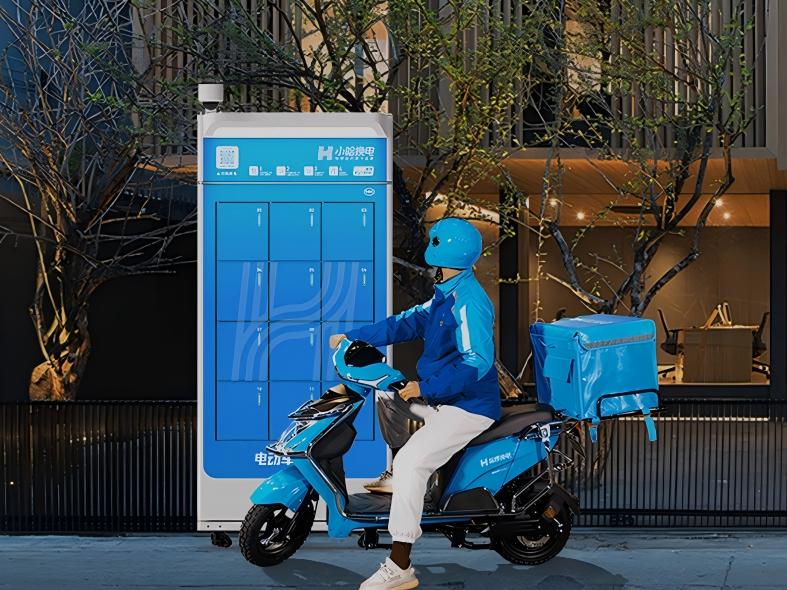
Food Delivery Rider Networks: Enables unlimited daily routes without range anxiety; flat-rate swapping replaces volatile fuel cost risks with predictable monthly expenses
Community Shared Swap Stations: Reduces manual battery-swapping labor significantly; extends vehicle availability hours for casual urban commuters
Express Delivery and Same-Day Logistics: Supports high-utilization depot fleets with instant battery refueling during peak delivery periods
Urban Micromobility Infrastructure: Eliminates "endurance anxiety" for casual riders; reduces home charging infrastructure demands and property modifications
Industrial and Campus Operations: Maximizes vehicle fleet uptime; integrates with asset-tracking systems for rapid ROI through optimized operations
Tourist Destinations and Rural Hubs: Extends electric vehicle accessibility to areas lacking charging infrastructure; enables sustainable mobility in remote locations
Policy Support and Safety Standards: Policy incentives and stricter battery safety standards are rapidly accelerating the adoption of battery swapping cabinets
Shared Mobility Platform Scale-Up: Shared mobility platforms rapidly integrate battery swapping networks, triggering exponential adoption across multiple cities
AI Demand Forecasting and Big Data: AI demand forecasting and big data analytics optimize battery distribution and significantly reduce operational costs
Multi-Energy and Modular Solutions: Multi-energy hubs and modular hardware standardization reduce deployment costs while increasing operational flexibility
Market Penetration Forecast: Battery swapping cabinets are projected to displace about 60% traditional charging infrastructure within three years
Verify CQC Certification, UL compliance, and CE marking standards. Confirm cabinets feature an active intelligent fire-fighting system, redundant thermal sensors, and have passed rigorous impact and environmental stress testing protocols. Non-negotiable safety standards ensure regulatory compliance and minimize operational liability across all deployment regions.
Evaluate cloud infrastructure handling user authentication, real-time battery health monitoring, dynamic inventory management, and remote OTA firmware upgrades. Advanced 4G IoT platforms integrate directly into existing logistics systems via APIs, converting raw swap data into actionable efficiency gains, predictive maintenance alerts, and operational intelligence.
Confirm comprehensive support for diverse lithium-ion batteries across standard voltage ranges (48V, 60V, 72V) and multiple form factors. Open-protocol initiatives enabling third-party battery certification maximize cabinet utilization rates and future-proof your network against emerging vehicle models and new technology standards.
Evaluate cabinet lifespan expectations, comprehensive warranty coverage, and committed maintenance response times carefully. Leading providers offer localized manufacturing capabilities and predictive maintenance systems, with dedicated 24/7 global support teams, rapid response infrastructure, and continuous service optimization.
Confirm comprehensive flexibility for custom battery configurations, robust API integration with fleet management software platforms, and white-label app options for branded user experiences. Standardized implementation roadmaps with clear timelines and detailed milestones accelerate your deployment and path toward sustained profitability.
Why HelloPower Is Your Ideal Partner:
HelloPower—China's leading two-wheeler energy and service provider—delivers exactly these capabilities. Jointly founded by Hello Inc. (China's leading mobility and local service platform), Ant Group (China's largest digital payment and fintech platform), and CATL (global leader in lithium-ion development and manufacture), we deliver certified quality battery swapping cabinets backed by 500+ cities and 80,000+ proven deployments.
Battery swapping cabinets represent a fundamental evolution in electric mobility infrastructure, solving charging constraints through intelligent automation and rapid energy exchange. As policies drive standardization and manufacturing costs decline, swapping networks transition from pioneering pilots to essential urban infrastructure, reshaping how electric vehicles are powered and sustained.
Contact HelloPower today for customized solutions, detailed ROI projections, and comprehensive operational support to accelerate your battery swapping network deployment.
Contact Us
hellopowerglobal@hellobike.com
Location
2F, Building 1, No.898 XiuWen Road, MinHang District, Shanghai, China
Copyright © 2024 福建宁德惠智无限科技有限公司 All Rights Reserved. 闽ICP备2023025900号-3.


