
HelloPower: Scalable, Intelligent Energy Solutions for Two-Wheeler Mobility
2026-02-09
Battery swapping service standards are quickly becoming a deciding factor in whether electric two-wheeler ecosystems remain fragmented experiments or scale into city-wide, interoperable infrastructure. OEMs and city authorities now face a practical question: which standards will keep networks safe, compatible, and future-proof without locking them into inflexible proprietary designs?
Electric two-wheelers have evolved from pilot projects into mainstream mobility solutions for delivery, sharing, and daily commuting in many urban markets. In dense cities, battery swapping reduces downtime and operational constraints that often limit plug-in charging.
At the same time, rapid expansion has created fragmentation. Operators frequently deploy proprietary battery formats, cabinet designs, and communication protocols, making it difficult for OEMs to scale across regions and for cities to enforce consistent safety and interoperability requirements.
As battery swapping networks mature, policymakers and standards bodies are increasingly emphasizing safety, interoperability, and transparent technical frameworks. Clear service standards are becoming essential to ensure scalable, future-ready deployment.
Battery swapping service standards can be understood as four distinct, yet connected, layers that shape how networks are designed and governed.

System and infrastructure layer – how battery swap stations are designed, installed, and integrated into the power grid and built environment, including site layout, clearances, and grid connection rules.
Battery and vehicle interface layer – how batteries physically and electrically connect to vehicles and cabinets, covering mechanical envelopes, connectors, and protection at the interface.
Safety and protection layer – how systems detect, withstand, and contain faults such as thermal events, arcing, or insulation breakdown during unattended operation.
Data and control layer – how stations, batteries, vehicles, and cloud platforms exchange information securely and consistently, from telemetry formats and state transitions to cybersecurity and interoperable APIs.
Standards such as IEC 62840-1 and -2 distinguish system guidance, safety requirements, and interoperability expectations across batteries, swap stations, and management systems. Although originally developed for broader EV applications, these frameworks increasingly influence the architecture of light-EV swapping networks.
In practice, mature swapping platforms like HelloPower & HelloSwap reflect this layered structure: physical infrastructure and battery interfaces are supported by cloud-based systems that manage data, monitoring, and operational control across distributed sites.
OEMs building electric two-wheelers for battery swapping focus primarily on predictable interfaces and manageable integration efforts. Three areas typically determine whether an OEM can reuse designs across markets rather than redesigning for each operator.
For light EVs, standards guidance increasingly emphasizes clear boundaries at the electrical interface: insulation performance, creepage and clearance distances, and robust connector validation to prevent arcing and temperature rise under repeated coupling cycles.
For OEMs, this translates into:
Designing frames around defined mechanical envelopes for removable packs, aligned with common voltage classes (e.g., 48V/60V/72V systems).
Selecting connectors and locking mechanisms validated for high-frequency swapping, not only in laboratory conditions.
Leading battery swap service providers offer documented mechanical envelopes and validated connector families across their swappable battery lines, enabling vehicle engineers to design once and maintain consistent interface behavior when connecting to the network.
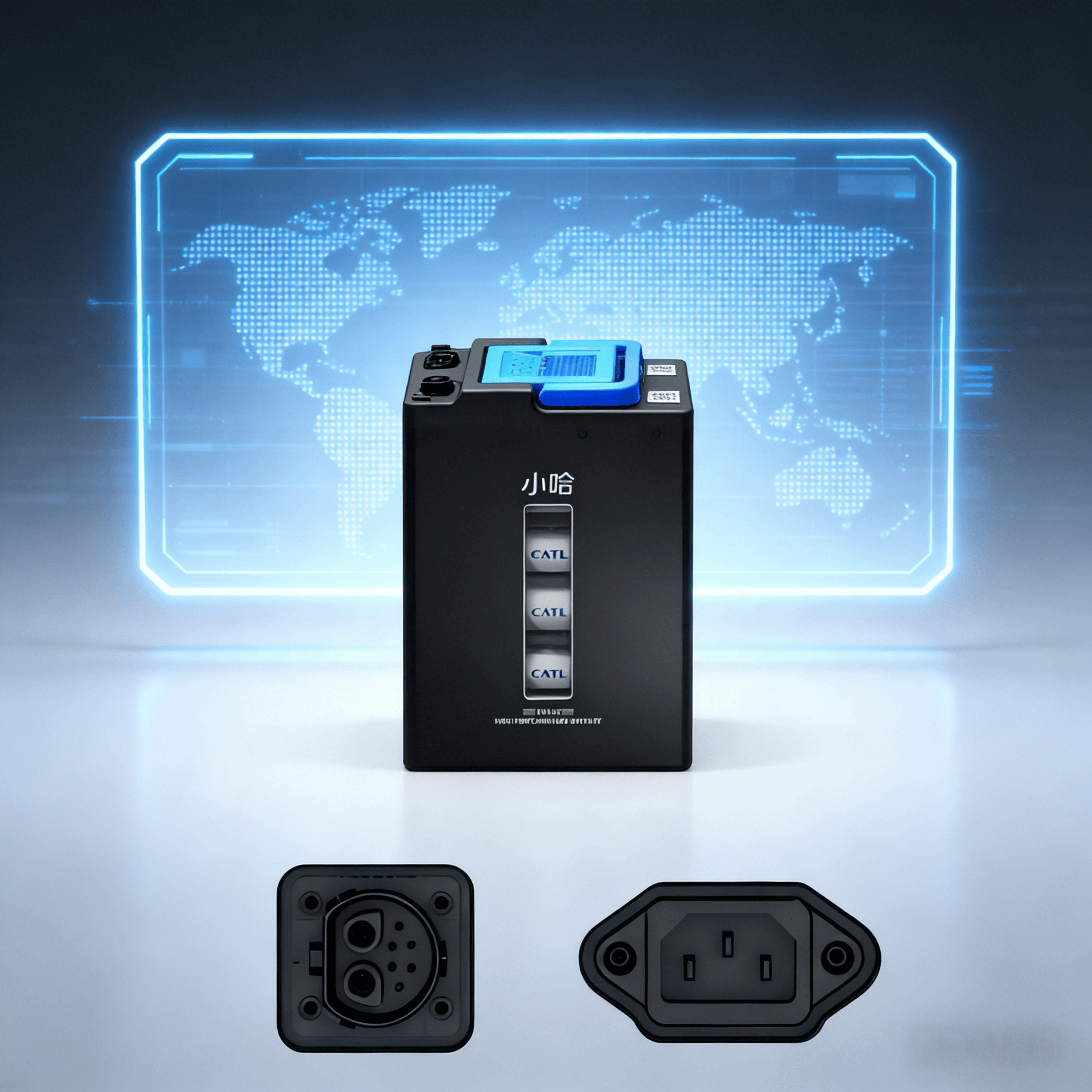
A second OEM priority is standardization of communication behavior. Policy and standardization initiatives increasingly promote open, testable protocols in which the BMS exposes key parameters and states in predictable formats.
For OEMs, this means focusing on:
Clear SOC and SOH data models and well-defined state transition logic (e.g., "ready to drive," "charging," "safety lockout").
Stable coordination between the vehicle ECU and battery so torque is enabled only when the pack is authenticated, within safe operating limits, and correctly paired.
Large-scale swapping networks typically provide a unified communication framework between batteries, cabinets, and cloud systems, along with OEM integration documentation. This enables consistent implementation of safety checks and operational permissions without reverse-engineering cabinet behavior.
When these interface and communication standards are clear, OEMs can:
Base multiple vehicle models on a shared battery platform.
Reuse integration logic across regions despite regulatory differences.
Focus commercial negotiations on service coverage and performance rather than hardware redesign.
In practice, working with established providers like HelloPower & HelloSwap—already integrated with a broad range of two-wheeler types—enables OEMs to accelerate market entry while maintaining a coherent product roadmap.
Cities view battery swapping primarily as a public infrastructure issue: installations sit near pedestrians, shops, and homes, and involve grid-connected high-energy storage. Their standards and priorities differ from OEMs.
Policy documents such as India's draft Battery Swapping Policy and European standardization initiatives emphasize siting, clearances, and coordination with local power systems. Key topics include:
Defined distances from doors, windows, and high-risk areas to preserve egress routes and firefighting access.
Dedicated electrical circuits, protective devices, and emergency shutdown procedures.
Documentation and inspection processes for installation, extension, and decommissioning.
Top battery swapping companies align battery swap station deployment with standardized installation guidelines and support local partners with site evaluation and electrical design assistance, simplifying permitting and inspection processes for city authorities.
Regulators increasingly treat interoperability as not just a convenience but a public-interest issue to avoid stranded assets and vendor lock-in. Emerging frameworks encourage:
Swappable formats capable of serving multiple OEMs within defined vehicle categories.
Structured data reporting so cities can monitor utilization, safety trends, and emissions impact.
HelloPower & HelloSwap, for instance, operate at a global scale, serving 800M+ users, supporting over 10M operating vehicles, managing 5M+ batteries, deploying 80K+ swapping cabinets, and covering 500+ cities. This scale helps cities and OEMs to see real usage patterns, identify safety trends, and make informed decisions based on actual network data.

Safety has become a central pillar of evolving battery swapping guidance, including IEC 62840-2 and related national policies. These frameworks address both fault prevention and fault management in unattended stations.
Technical committees focus on risks such as:
Electrical hazards at interfaces (dielectric breakdown, arcing, connector heating).
Thermal runaway and potential propagation between packs sharing a cabinet.
Failure of protective circuits and emergency systems.
Mitigation strategies include reinforced insulation, controlled discharge timing, physical segregation, and clearly defined emergency states and procedures.
Mature battery swapping networks typically combine:
Intelligent thermal management to keep packs within defined temperature ranges during both charging and idle states.
Industrial-grade power modules with integrated protections against over-voltage, over-current, short circuit, and leakage.
Compartment-level monitoring and suppression to ensure abnormal temperature or smoke in one slot triggers isolation before it spreads.
Cloud-based logic to block batteries that show abnormal patterns from re-entering circulation.
Leading networks, exemplified by HelloPower & HelloSwap, implement this layered architecture through intelligent, constant-temperature design, per-slot sensing and suppression mechanisms, and 24/7 AI-supported monitoring across distributed networks.
Data integrity and cybersecurity are increasingly vital for swapping ecosystem governance. Emerging initiatives such as IEEE P3240.14 and EU battery data frameworks highlight growing emphasis on trusted data exchange and lifecycle traceability.
Key expectations now include:
Defined data structures for SOC, SOH, usage history, and safety events that can be interpreted across different platforms.
Secure communication channels and authentication schemes between stations, vehicles, and cloud systems to prevent tampering with operational or billing data.
Traceability of batteries over their life cycle, enabling network operators and regulators to understand how assets are used and when they should be retired.
Trusted swap solutions like HelloPower & HelloSwap integrate batteries, cabinets, and user applications into a unified data environment using IoT connectivity, AI-based anomaly detection, and real-time operational dashboards, providing OEMs and cities with transparency aligned with evolving data governance expectations.
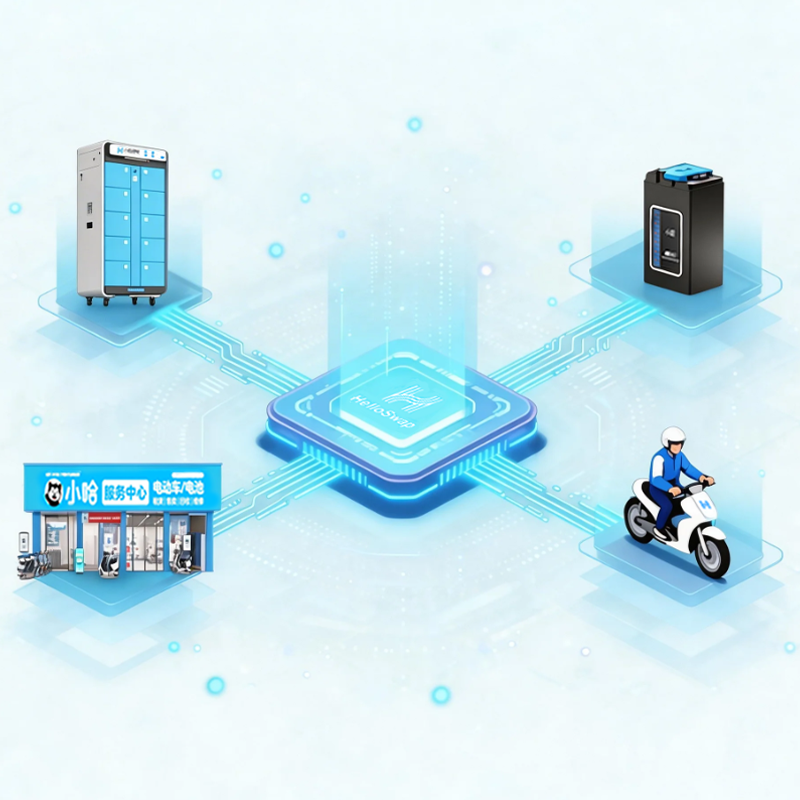
Even with perfectly designed hardware and software, a battery swapping service will fail if daily operations are not governed by clear, measurable expectations. For OEMs and cities, reliability is not a marketing claim—it is a measurable obligation.
International guidance and industry practice increasingly emphasize:
Network uptime at the cabinet and system levels
Maximum response times for fault resolution
Spare battery availability thresholds
Preventive maintenance intervals and inspection procedures
Escalation logic for safety-related events
In regulated environments, these metrics may become part of permitting, concession agreements, or public-private partnership frameworks.
Large-scale operators support networks through centralized monitoring, standardized operational playbooks, and structured escalation workflows, ensuring service performance is tracked, deviations are recorded, and corrective actions are systematic rather than reactive.
With the standards landscape in mind, OEMs and cities can evaluate potential partners using a standards-oriented checklist instead of purely commercial criteria:
Standards awareness and mapping – Can the provider map their products and processes to relevant standards and provide documentation and test reports?
Interface and data openness – Do they expose clear integration points for OEM ECUs, fleet platforms, and city dashboards, or do they lock everything into opaque proprietary protocols?
Scale and operating record – How many cabinets, batteries, and cities are already in operation, and what is the documented safety and uptime history in comparable use cases?
End-to-end capability – Can they support planning, deployment, integration, and continuous optimization, not just hardware delivery?
HelloPower & HelloSwap, jointly founded by Hello Inc., Ant Group, and CATL, combine real-world mobility operations, digital infrastructure expertise, and advanced battery technology into its integrated battery swapping service, providing a single accountable partner for standards-aligned deployment.
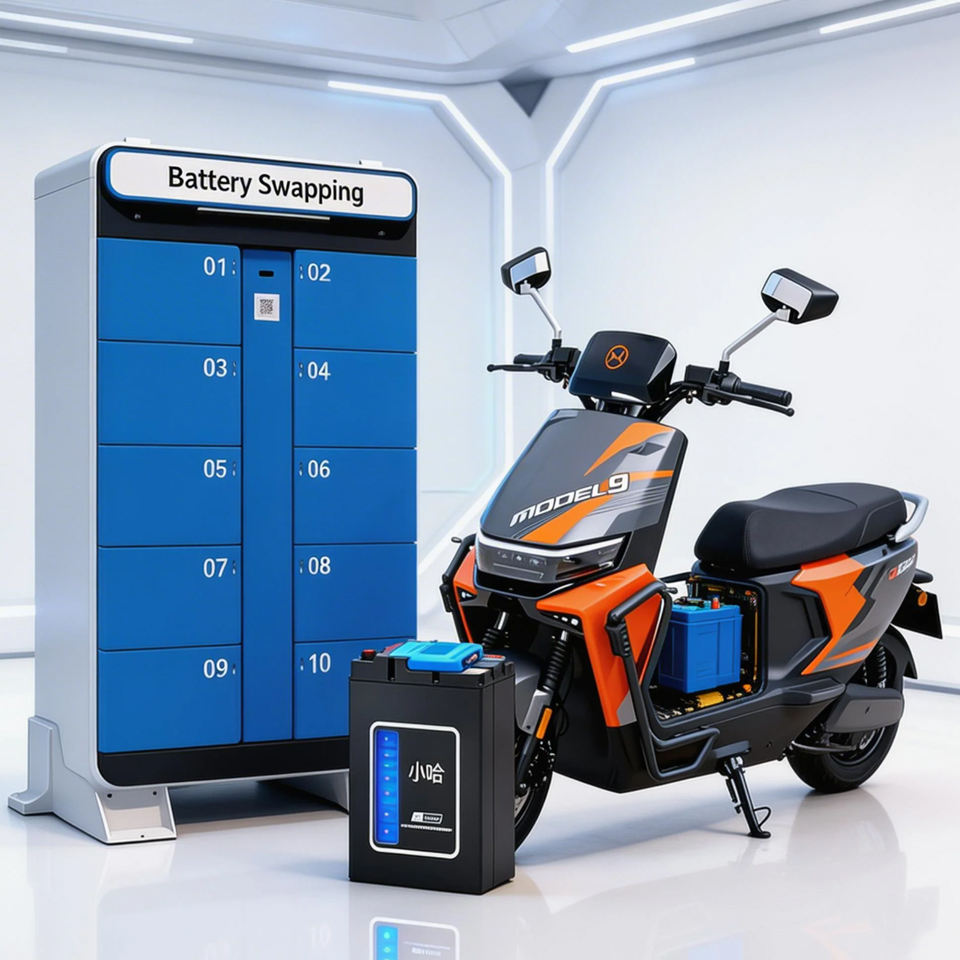
Battery swapping service standards are actively shaping how electric two-wheeler networks are designed, approved, and operated. OEMs that build around stable interfaces and transparent data models and cities that embed safety and interoperability into policy position themselves for scalable, resilient infrastructure.
If you are planning or expanding an electric two-wheeler battery swapping network, HelloPower & HelloSwap can help translate evolving standards into concrete hardware decisions, integration frameworks, and rollout strategies tailored to your city or fleet. Reach out now for a professional and personalized consultation.
Contact Us
hellopowerglobal@hellobike.com
Location
2F, Building 1, No.898 XiuWen Road, MinHang District, Shanghai, China
Copyright © 2024 福建宁德惠智无限科技有限公司 All Rights Reserved. 闽ICP备2023025900号-3.


