
Guide to Building a Lithium-Ion E-Bike Battery Swap Station
2026-01-21
The global lithium-ion battery market is expected to reach around USD 194.66 billion in 2025 and grow to more than USD 426.37 billion by 2033, driven primarily by electric vehicles (EVs), energy storage systems, and electrified two-wheelers. Behind that growth are the lithium battery cell manufacturers whose cells power everything from passenger cars and grid storage to urban delivery scooters and shared e-bikes.
As we enter 2026, operators looking to build or expand electric two-wheeler (E2W) fleets will find that cell quality continues to be a key factor in determining range, safety, battery lifespan, and total cost of ownership. This guide ranks the top 10 lithium-ion battery cell manufacturers in the world based on the most recent data, explains what sets each apart, and shows how leading providers leverage premium cells to deliver real-world fleet performance.
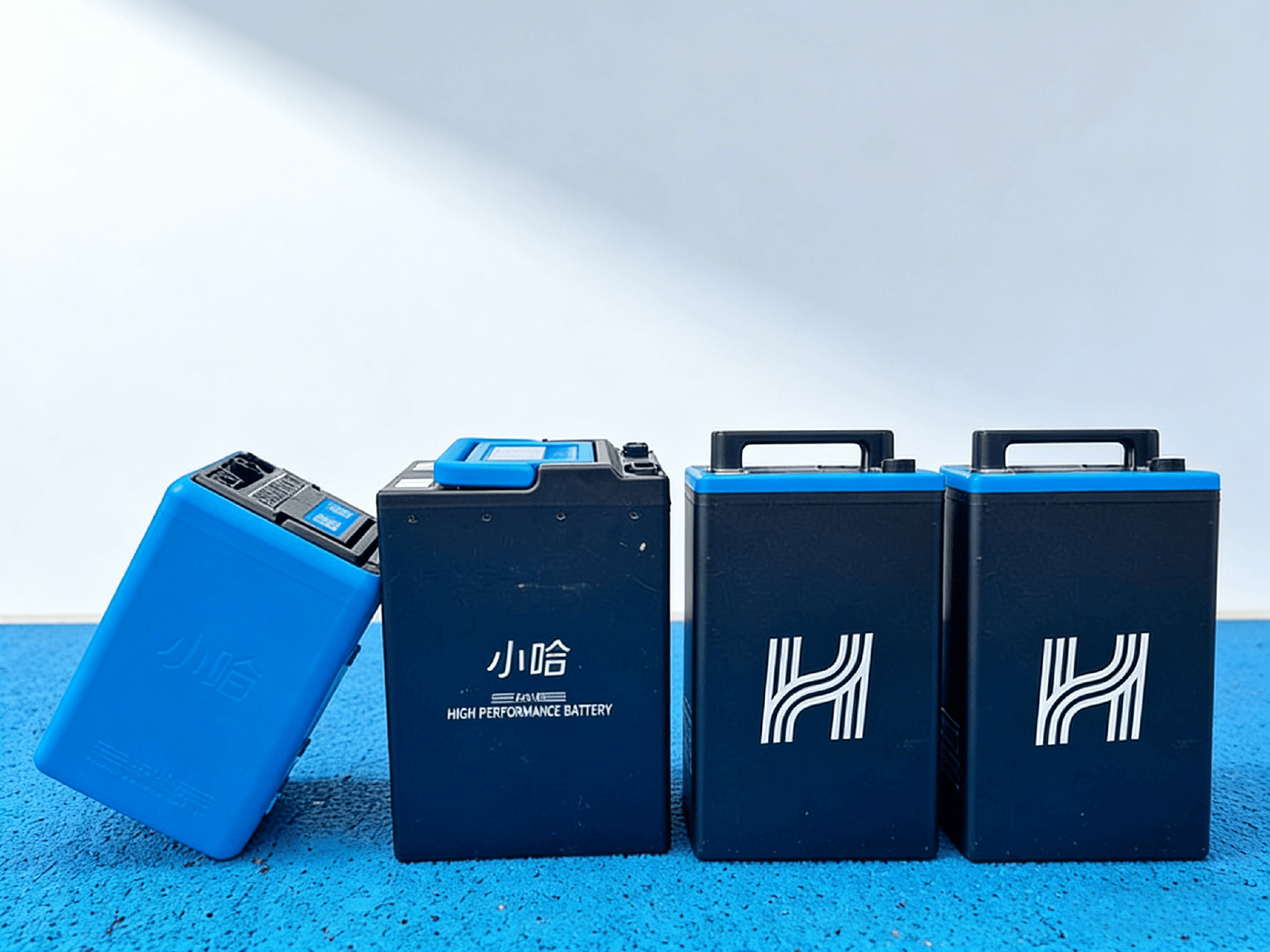
Global EV battery installations reached about 1,187 GWh in 2025, up 31.7% from 2024. Two Chinese giants alone—CATL and BYD—supplied more than half of that volume, with a combined market share above 55%. Asia-Pacific remains the production hub, accounting for over half of global lithium-ion battery revenues in 2025, with China leading both manufacturing capacity and exports.
Two battery chemistries now lead the market:
LFP (Lithium Iron Phosphate) – Emphasizes safety, long cycle life, and cost-effectiveness; widely used in E2Ws, mass-market EVs, and stationary storage.
NCM (Nickel Manganese Cobalt) – Favours higher energy density for longer range and compact pack sizes; common in higher-performance EVs and premium applications.
For two-wheeler fleets, LFP and NCM together provide the main design space: LFP for robust, long-life daily swapping, and NCM where extended range and lighter packs are paramount.
The ranking below reflects 2025 global EV battery installation data from SNE Research and other independent analysts, with CATL clearly in the No. 1 position by a wide margin.
Rank | Manufacturer | Headquarters | 2025 global EV battery share | Main strengths |
1 | CATL | Ningde, China | ~39.2% | Scale, chemistry breadth, cost and safety leadership |
2 | BYD | Shenzhen, China | ~16.4% | Vertical integration, LFP Blade, own EVs |
3 | LG Energy Solution | Seoul, South Korea | ~9–10% | Global OEM coverage, pouch & prismatic NCM |
4 | SK On | Seoul, South Korea | ~6% | NCM expertise, Western JVs |
5 | Panasonic | Osaka, Japan | ~3.7% | Cylindrical high-energy cells |
6 | EVE Energy | Huizhou, China | ~2.6% | Cylindrical & prismatic for EV and storage |
7 | Samsung SDI | Yongin, South Korea | ~2.4–2.6% | High-nickel NCM, premium automakers |
8 | SVOLT | Changzhou, China | ~2.4% | High-manganese and cobalt-reduced chemistries |
9 | Gotion High-Tech | Hefei, China | ~2–3% | LFP & storage-focused cells |
10 | Sunwoda | Shenzhen, China | ~1–2% | Transition from electronics to EV/E2W cells |
Note: Shares are for EV traction batteries; the same cell makers also supply energy storage and other sectors where rankings differ slightly.

Source: CATL
CATL (Contemporary Amperex Technology Co., Limited) is the clear leader among lithium-ion cell manufacturers, supplying more EV battery capacity in 2025 than any other company worldwide. Its cells power a broad mix of passenger cars, commercial vehicles, energy storage systems, and electric two-wheelers.
Broad chemistry portfolio covering LFP and high-nickel NCM, plus early commercial sodium-ion products.
Strong integration with global OEMs, including Chinese and international automakers as well as two-wheeler and storage brands.
Intensive R&D on safety, including advanced cathode materials and pack-level protection strategies.
Because of this combination of scale, chemistry breadth, and safety focus, CATL effectively sets the standard that many other top lithium battery manufacturers are measured against.

Source: BYD
BYD designs and manufactures both vehicles and batteries, giving it end-to-end control over how cells, packs, and powertrains work together. Its technology has been deployed in millions of vehicles across China and an expanding list of export markets.
LFP-based Blade Battery architecture that improves space utilization and safety through long, thin cells tightly packed in modules.
In-house pack, BMS, and power electronics engineering, allowing BYD to tune battery behavior to each vehicle platform.
Growing applications beyond passenger cars, including buses, trucks, and smaller electric vehicles.
For buyers evaluating lithium battery cell manufacturers with deep system integration experience, BYD offers a strong reference point for LFP-first strategies.

Source: LG Energy Solution
LG Energy Solution (LGES) grew out of LG Chem's battery division and now operates manufacturing sites across Asia, Europe, and North America. It supplies cells and packs to multiple global automakers and increasingly to energy-storage integrators.
Focus on pouch and prismatic NCM cells balancing energy density, power capability, and fast-charging performance.
Joint ventures with major automakers that localize production and support regional content requirements.
Ongoing work on higher-nickel chemistries and improved durability for long-life EV applications.
For OEMs looking for a non-Chinese partner with proven automotive credentials, LGES is one of the most established options.

Source: SK On
SK On, part of the SK Group, is best known for high-energy NCM cells used in passenger cars and light commercial vehicles. Its strategy relies heavily on deep partnerships with Western automakers.
Advanced NCM chemistries tailored for long-range EVs, with emphasis on energy density and cycle life.
Large joint-venture factories, such as those with Ford, designed to supply local markets at scale.
R&D efforts focused on reducing the cost per kWh while maintaining performance in nickel-rich cathode systems.
Although SK On is primarily a four-wheel EV supplier today, its chemistry roadmap influences what is possible for higher-performance two-wheelers in the future.

Source: Panasonic
Panasonic has been a central player in the EV transition thanks to its long-standing partnership with Tesla and deep experience in cylindrical lithium-ion cells. It has helped define expectations for energy density and reliability in high-performance packs.
Production of 1865 and 2170 cylindrical cells and involvement in newer formats like 4680 through joint projects.
Strong expertise in high-energy chemistries within the NCM family tuned for fast charging and long range.
Manufacturing bases in Japan and North America, with additional capacity under discussion.
While Panasonic is less visible in the E2W space, its technology directions influence design choices across the broader lithium-ion ecosystem.

Source: EVE Energy
EVE Energy has shifted from a diversified battery business into a leading supplier for EVs, energy storage, and light electric vehicles. Its portfolio spans both cylindrical and prismatic formats.
LFP and NCM prismatic cells for traction and stationary storage, with capacities ranging from tens to hundreds of amp-hours.
Large cylindrical cells optimized for EVs that balance energy density, power, and cost, leveraging mature material platforms.
Strong presence in energy storage projects, which share many requirements with commercial E2W deployments.
For projects that need a mix of storage and mobility solutions, EVE's flexible range of chemistries and form factors is increasingly attractive.

Source: Samsung SDI
Samsung SDI focuses heavily on supplying high-performance cells and modules to premium automotive brands in Europe and elsewhere. It is known for careful pack engineering and a conservative, safety-first approach.
High-nickel NCM prismatic and pouch cells designed for long-range and high-output EVs.
Strong integration of cell design, module architecture, and thermal management for demanding applications.
Active research into next-generation solid-state cells for future vehicle platforms.
For OEMs prioritizing performance, brand perception, and safety in the upper end of the market, Samsung SDI is a natural candidate.

Source: SVOLT
SVOLT, originally part of Great Wall Motor, has built its reputation on advanced cathode chemistries and efforts to reduce or eliminate cobalt. It has entered the global top 10 rankings as its cells move into volume production.
Cobalt-free NMX cells (nickel-manganese) that cut cobalt entirely while maintaining high thermal stability and safety.
Emphasis on long cycle life—upwards of 2,500 full cycles in some designs—which suits high-mileage vehicles.
Plans for manufacturing in both China and Europe to support regional supply chains.
For buyers who prioritize sustainability and reduced dependence on cobalt, SVOLT offers one of the most mature cobalt-free platforms currently available.

Source: Gotion
Gotion High-Tech has grown rapidly by focusing on LFP cells for both EVs and large-scale energy storage. It also collaborates closely with global automakers to expand beyond China.
Competitive LFP cells for passenger and commercial vehicles, designed for long cycle life and robust safety margins.
Strong position in utility-scale and C&I energy storage, where LFP is now the dominant chemistry.
Strategic technology and equity cooperation with Volkswagen that supports both EV and storage programs.
Operators looking for safe, cost-optimized LFP cells often consider Gotion among the leading lithium battery manufacturers for storage-heavy or commercial fleets.

Source: Sunwoda
Sunwoda started as a major supplier of lithium-ion batteries for consumer electronics and has been expanding aggressively into EV, energy storage, and electric two-wheelers. Its experience with high-volume small cells provides a useful foundation for light-mobility applications.
Development of both LFP and NCM packs for smaller vehicles, including scooters, motorcycles, and micro-EVs.
Continued production of compact cells for consumer devices, which supports cost-competitive manufacturing and process know-how.
Growing collaborations with Chinese automakers and E2W brands as it scales its power-battery business.
For E2W and light-EV projects that need cost-effective packs from an established electronics-sector player, Sunwoda is an increasingly relevant option.
For electric cars, buyers often focus on range and charging speed. For E2W fleets, the risk profile is different:
High cycling intensity: Couriers and shared scooters may cycle packs multiple times per day, so actual cycle life and degradation curves matter more than nominal capacity.
Thermal stability in dense cities: Deliveries happen in hot afternoons and cold early mornings; batteries must remain safe and predictable over a wide temperature window.
Mechanical robustness: Swappable battery packs are frequently inserted, removed, carried, and occasionally dropped, which stresses both cells and pack structure.
Network-level consistency: In a swap network with thousands of packs, variations in cell quality can cause imbalances, lower usable capacity, and raise safety risks.
Working with top lithium battery manufacturers—especially those with proven LFP and NCM platforms—helps E2W operators secure consistent, traceable A-grade cells instead of mixed or downgraded lots. This directly improves safety, uptime, and long-term cost per kilometre.
HelloPower & HelloSwap stands out in the E2W segment because it was co-founded by Hello Inc., Ant Group, and CATL, aligning operational experience, digital infrastructure, and leading-edge battery technology from day one. This structure makes it unusual among two-wheeler swap providers: the world's largest EV cell maker is not only a supplier but also a shareholder in the ecosystem.
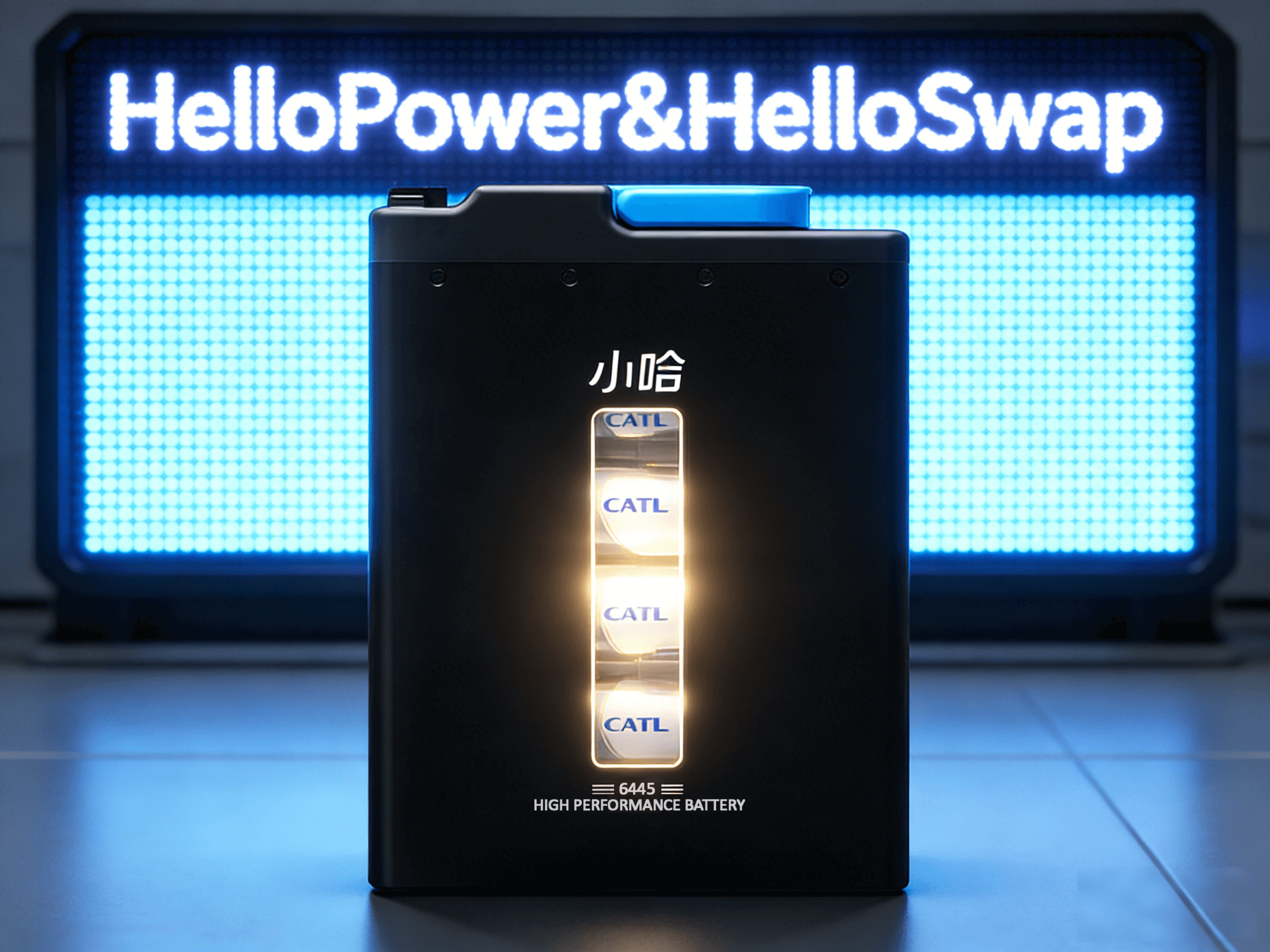
HelloPower & HelloSwap's swappable batteries use A-grade CATL cells in both LFP and NCM variants, covering mainstream 48V, 60V, and 72V platforms. Across the portfolio, typical specifications include:
Energy ranges from about 1.1 kWh to over 4 kWh, matching everything from city e-bikes to high-power delivery motorcycles.
Cycle life targets of 800–1,500 cycles at 70–80% capacity retention depending on model, designed around high-frequency swapping scenarios.
Wide operating temperature ranges that support discharging from roughly −20 to +65°C and charging at sub-zero temperatures in selected models.
These packs are matched with intelligent BMS and IoT connectivity (GPS/WiFi/base-station positioning and CAT-1 4G modules) to enable real-time monitoring and remote control across entire fleets.
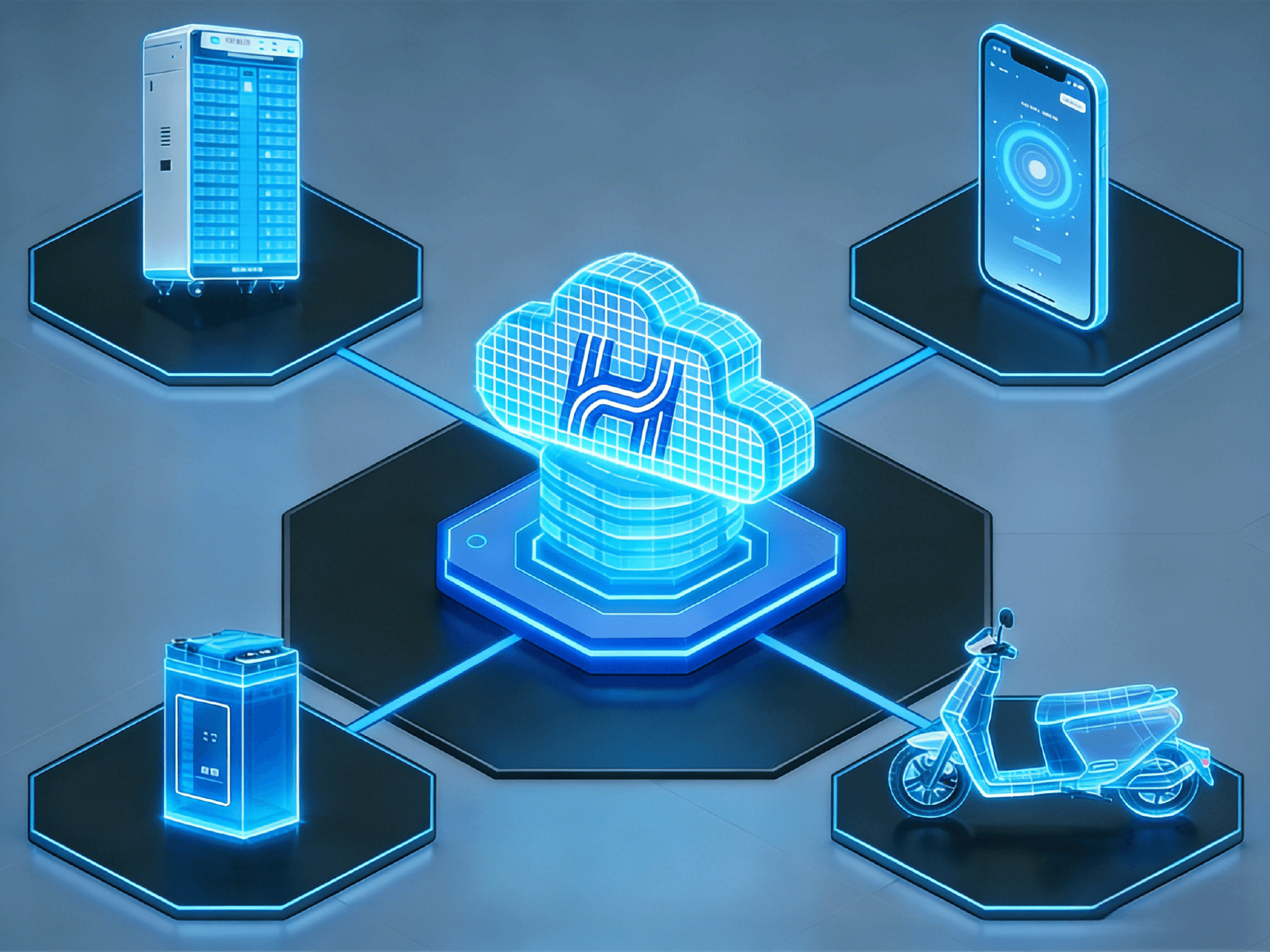
Because HelloPower & HelloSwap controls not only the battery packs but also 80K+ swap cabinets and over 5M+ active batteries, real-world usage data feeds back into pack design, BMS tuning, and deployment strategy. This loop allows:
Dynamic screening of abnormal packs before they re-enter circulation.
Optimized charging profiles for different chemistries and climates.
Data-driven planning of swap-station density and capacity in each city.
For fleet operators and partners, the key takeaway is that HelloPower & HelloSwap's use of CATL cells is not a standalone spec—it is integrated into an end-to-end system that combines Tier-1 cell quality with large-scale operating experience in E2W battery swapping.
When evaluating lithium-ion cell suppliers or swappable battery partners, this 2026 top-10 list offers a practical filter:
Prioritize Tier-1 cell makers (CATL, BYD, LGES, SK On, Panasonic, Samsung SDI, etc.) where safety records, capacity, and quality systems are well documented.
Match chemistry to use case: LFP for high-cycle, safety-sensitive two-wheelers and storage; NCM where premium range and lighter packs are critical.
Look beyond cells: BMS design, pack structure, swap-cabinet safety, and cloud-side monitoring determine whether good cells translate into stable fleet operations.
Favor partners with proven E2W deployments, not just laboratory test data.
For operators ready to build or upgrade an electric two-wheeler fleet, leveraging CATL cells through HelloPower & HelloSwap's dedicated E2W swap ecosystem provides a reliable path to long-term, scalable electrification—get in touch with HelloPower & HelloSwap to explore a customized rollout for your market.
Contact Us
hellopowerglobal@hellobike.com
Location
2F, Building 1, No.898 XiuWen Road, MinHang District, Shanghai, China
Copyright © 2024 福建宁德惠智无限科技有限公司 All Rights Reserved. 闽ICP备2023025900号-3.


