
Top 5 Benefits of Using Lithium E-Bike Battery in Battery Swap Stations
2026-01-16
The e-bike sector demands instant energy replenishment rather than multi-hour charging cycles. Battery swap stations solve this through exchangeable battery infrastructure, enabling e-bike riders to maintain continuous operations. Building effective swap networks requires systematic planning across site selection, battery specification, hardware-software integration, operational design, and financial viability. This guide provides actionable frameworks for constructing profitable lithium-ion e-bike battery swap station networks deployable across diverse urban environments.
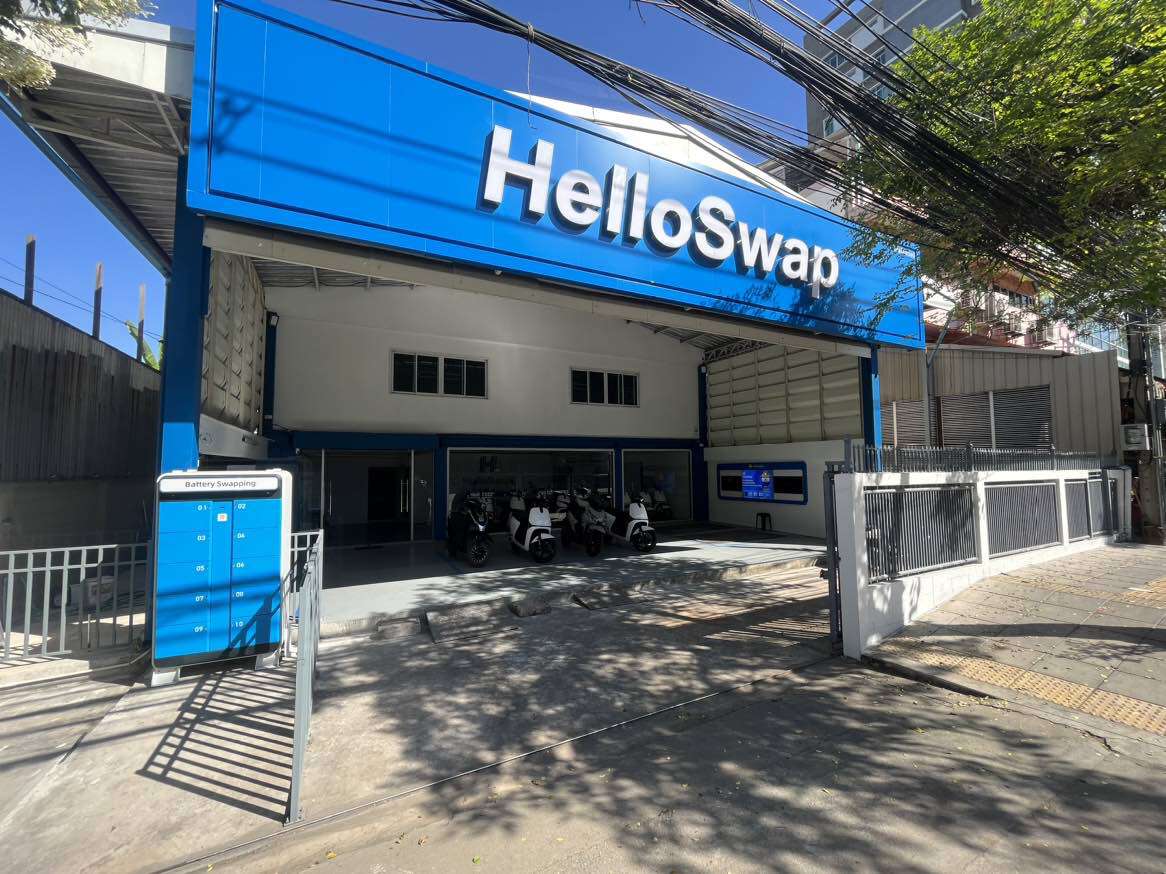
Successful e-bike battery swap stations concentrate riders through geographic data analysis. Examine delivery platform demand heatmaps, commuter transit flows, and commercial zones to identify areas where e-bike rider populations generate multiple daily trips. Use GPS tracking data from existing mobility services and third-party logistics providers to validate sustained demand before site commitment.
Evaluate potential battery swap station sites by assessing three key criteria: electrical grid capacity for 220V single-phase circuits, outdoor or semi-outdoor space availability, and compliance with local environmental protection standards. Sites requiring grid upgrades should have clear utility company timelines. Validate vertical clearance for cabinet installation and weather protection for outdoor deployments.
Strategic spacing balances e-bike rider accessibility against capital efficiency. Dense urban cores supporting frequent transactions justify closer station proximity, while suburban markets with lower transaction frequency require wider spacing. Network topology modeling identifies optimal density that minimizes rider access time while maximizing utilization per station.
HelloPower & HelloSwap utilizes a machine learning platform to optimize site networks through demand pattern analysis, enabling operators to maximize utilization while minimizing deployment capital through predictive network topology modeling.
Lithium-ion chemistry dominates e-bike battery swap applications through superior energy density and cycle durability. LFP (Lithium Iron Phosphate) delivers extended cycle life with superior thermal stability, ideal for high-utilization e-bike operations. NCM (Nickel Cobalt Manganese) provides higher energy density for extended e-bike range, optimal for performance-focused applications. Environmental temperature conditions and duty cycles determine optimal chemistry selection.
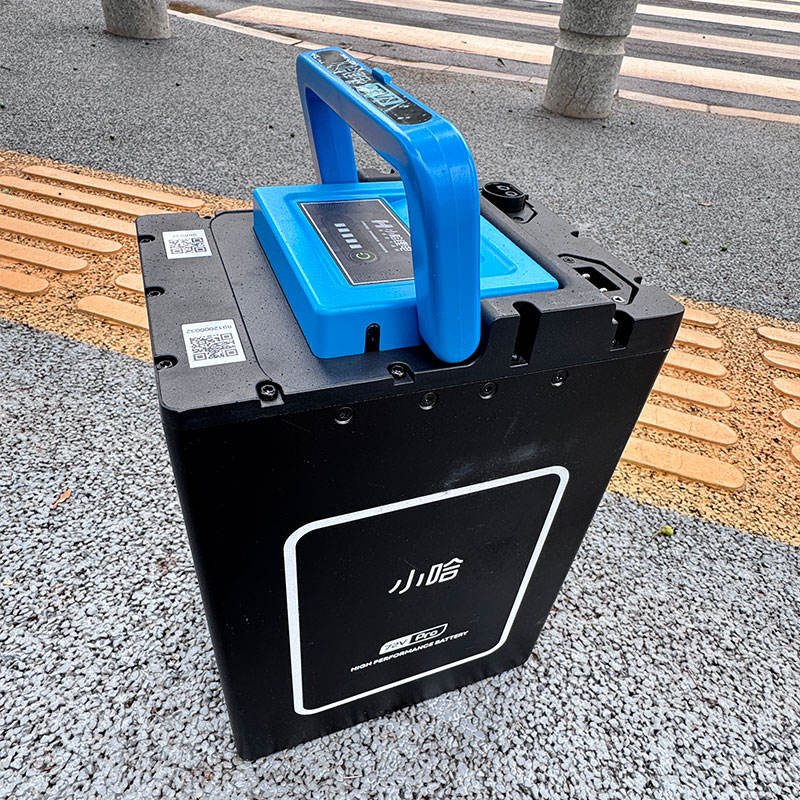
E-bike battery specifications must match target usage patterns. Standard 48V platforms suit most commuter e-bikes and urban delivery applications with typical daily usage. Some high-performance e-bikes utilize 60V and even 72V systems for extended range and faster acceleration. Capacity selection—typically within 1.6–2.4 kWh range—aligns with various daily e-bike mileage targets and acceptable swap frequency, balancing vehicle range against station inventory size.
Battery Management Systems (BMS) enable autonomous e-bike battery swapping through standardized communication protocols that connect the cabinets to cloud platforms. Critical BMS functions include real-time cell health monitoring, active cell balancing during charge cycles, and predictive fault detection before capacity degradation becomes operational risk. Thermal monitoring ensures safe operation across climate variations and charge rates.
HelloPower & HelloSwap integrates intelligent BMS systems with CATL's proven lithium-ion cell technology, optimizing charge cycles and thermal management for extended battery lifespan in high-throughput e-bike swap environments.
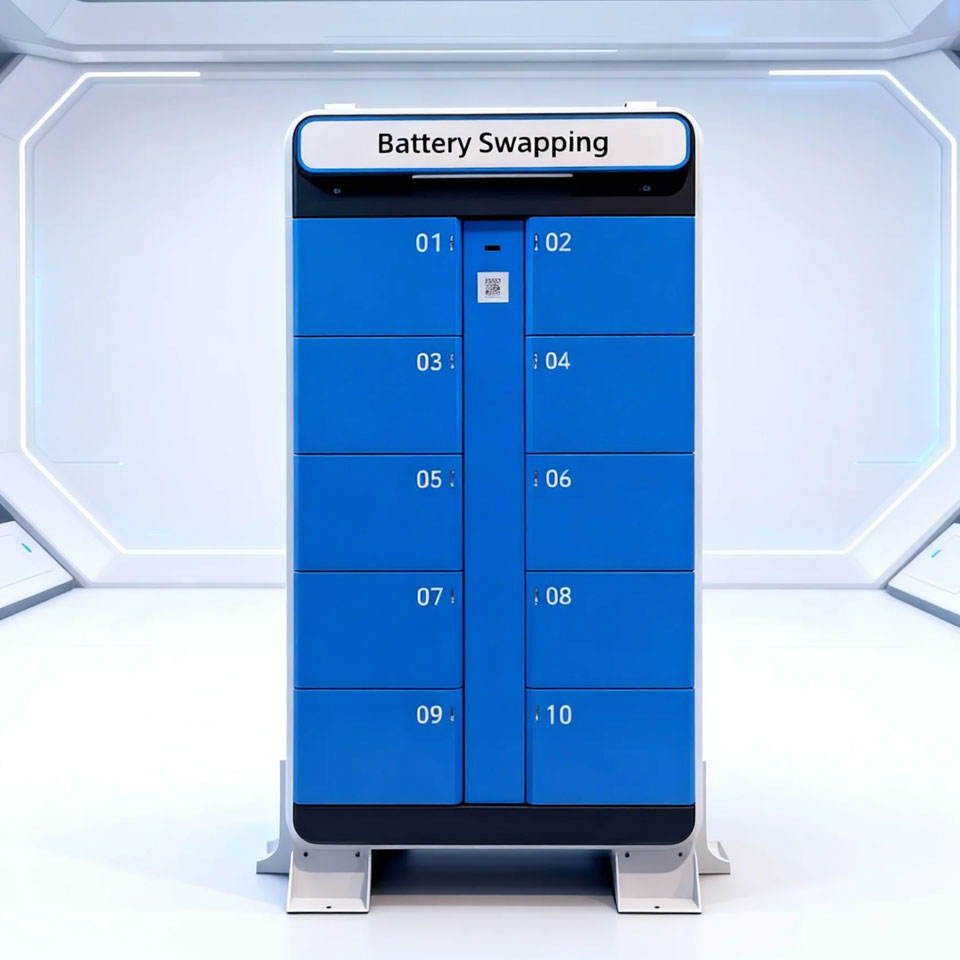
E-bike battery swap cabinets require integrated mechanical, electrical, and thermal systems. Cabinet design prioritizes modular construction supporting 5–12 battery slots with automated access mechanisms enabling 6–15 second swap cycles. Thermal management systems regulate cabinet interior temperature between -20°C and 55°C, ensuring reliable electronics and battery performance. Independent fire suppression systems per battery compartment provide safety isolation. IP54 waterproofing certification enables semi-outdoor deployment in diverse climates.
Cloud-based operations platforms provide centralized management of distributed cabinet networks. Core software functions include real-time battery diagnostics, automated user authentication, transaction settlement, and predictive maintenance scheduling. Integration with third-party fleet management systems through standardized APIs enables operators to serve diverse e-bike customer segments. Remote firmware deployment and over-the-air updates ensure security and feature consistency across cabinets.
HelloPower & HelloSwap's unified platform integrates hardware and software, enabling single-system operations across heterogeneous deployments through centralized cloud management and predictive maintenance algorithms.
Automated scheduling systems optimize battery charging patterns during off-peak electrical periods when grid rates are lowest. Smart charge cycle management applies optimized thermal controls and current profiles, extending battery lifespan 20–30% compared to consumer charging environments. Demand prediction systems identify battery depletion patterns enabling proactive rebalancing between high- and low-utilization stations.
Transaction efficiency directly impacts operator earnings. Minimize friction by using QR-based authentication to eliminate manual steps. Real-time cabinet status displays via mobile apps enable e-bike riders to locate available batteries before arrival. Instant transaction completion notifications provide immediate confirmation. Target sub-15-second total transaction time to maintain productivity during peak demand periods.
Revenue models combine transaction-based pricing with subscription packages. Multi-tier structures accommodate different usage patterns: pay-per-swap for occasional users, monthly subscriptions for regular commuters, and enterprise agreements for e-bike delivery fleets and corporate bike-sharing programs. Predictable subscription revenue enables operators to forecast cash flow and support network expansion investments.
HelloPower & HelloSwap provides revenue optimization and financial modeling services, enabling operators to design pricing structures that maximize e-bike fleet adoption while sustaining profitability across different market segments.
Cloud-connected BMS systems continuously monitor individual battery health through voltage signatures, charge acceptance metrics, and thermal profiles. Automated algorithms detect degradation patterns, predicting failure before operational impact. Preventive replacement protocols maintain minimum capacity thresholds, ensuring consistent e-bike range and rider satisfaction throughout battery service life.
Real-time environmental monitoring detects abnormal temperature conditions and smoke presence with automated emergency suppression activation. Physical isolation of the battery compartment prevents fault propagation between slots. Safety standards require verified certifications with per-slot fire suppression systems. Compliance validation ensures safe unattended operation.
Implement weekly visual inspections to identify physical battery damage or abnormal swelling. Monthly contact cleaning removes oxidation, preventing charge transfer losses. Monthly firmware validation and connectivity verification ensure continuous cloud system communication. Predictive maintenance algorithms identify optimal replacement timing based on degradation trends.
HelloPower & HelloSwap's AI-powered monitoring, combined with human technical support, ensures rapid response to equipment issues, maintaining uptime through real-time fault detection and proactive maintenance.
Global e-bike adoption accelerates through urban commuting growth, delivery platform expansion, congestion pricing, and rising fuel costs. Markets with concentrated e-bike commuter populations, delivery riders, and established bike-sharing services demonstrate strong economics. High transaction frequency markets generate revenue density supporting rapid infrastructure payback. Geographic markets with delivery platform presence and cycling infrastructure validate demand before major capital deployment.
Station profitability depends on three variables: location density determining swap frequency, transaction throughput maximizing revenue per cabinet, and operational efficiency minimizing costs. Battery-as-a-Service models reduce upfront e-bike acquisition costs, expanding market addressability. Subscription revenue provides a predictable cash flow supporting expansion. Asset efficiency—monthly revenue per cabinet—determines network-wide profitability.
Centralized battery management maximizes battery asset value throughout their operational lifespan. High-density urban deployments in mature e-bike markets achieve fast payback through optimized transaction volume and operational efficiency. ROI calculations account for location density, average daily swaps, revenue per transaction, and operational costs including labor, electricity, and maintenance.
HelloPower & HelloSwap offers financial forecasting integrating rich deployment experience across 100+ markets, enabling operators to model ROI scenarios accounting for regional market conditions and network topology effects.
Constructing lithium-ion e-bike battery swap stations requires integrated expertise spanning network optimization, battery technology, distributed systems architecture, and operational excellence. Success depends on comprehensive site validation, regulatory compliance verification, and financial modeling before deployment. Phased rollout approaches starting with high-density pilots reduce execution risk and provide operational learning.
HelloPower & HelloSwap delivers complete swap solutions integrating certified hardware, cloud software, and deployment expertise enabling rapid market entry with proven best practices refined across 100+ countries. Contact our team today to schedule a customized consultation for network planning, site analysis, and implementation support, and see how we can accelerate your e-bike infrastructure deployment.
Pre-deployment consultation should cover market analysis, site recommendations, technical customization, and business model design. These elements structure precise investment decisions and risk-minimized expansion strategies.
Effective market strategies require customization based on local policies, e-bike travel habits, and competition. Data-driven models enable tailored expansion paths and business models for each market, reducing trial-and-error costs.
Standardized APIs enable seamless integration with third-party fleet management systems. Intelligent scheduling dynamically matches cabinets, batteries, and e-bikes to optimize network resource allocation and operational efficiency.
Pricing should reflect local electricity costs, competitive intensity, and user payment willingness. Real-world market deployment data shows that optimized pricing structures achieve fast payback.
Round-the-clock support with AI-powered monitoring enables real-time equipment issue detection. Technical teams rapidly diagnose and resolve problems to ensure network availability and consistent user experience.
Contact Us
hellopowerglobal@hellobike.com
Location
2F, Building 1, No.898 XiuWen Road, MinHang District, Shanghai, China
Copyright © 2024 福建宁德惠智无限科技有限公司 All Rights Reserved. 闽ICP备2023025900号-3.


