
Lithium vs. Lithium-Ion Batteries: Understanding Two-Wheeler EV Battery Selection
2026-01-14
The electric two-wheeler revolution accelerates globally, transforming urban delivery fleets and daily commuting patterns while creating unprecedented energy infrastructure demands. Traditional charging methods force riders to endure hours of downtime, but battery swap stations eliminate this bottleneck entirely by delivering instant energy replenishment in seconds. At the core of this transformation lies lithium-ion e-bike battery technology, specifically engineered for high-frequency swapping operations. This article explores five critical advantages that make Li-ion ebike battery systems the ideal power source for modern e-bike battery swapping networks, enabling unprecedented operational efficiency while supporting green, sustainable development.
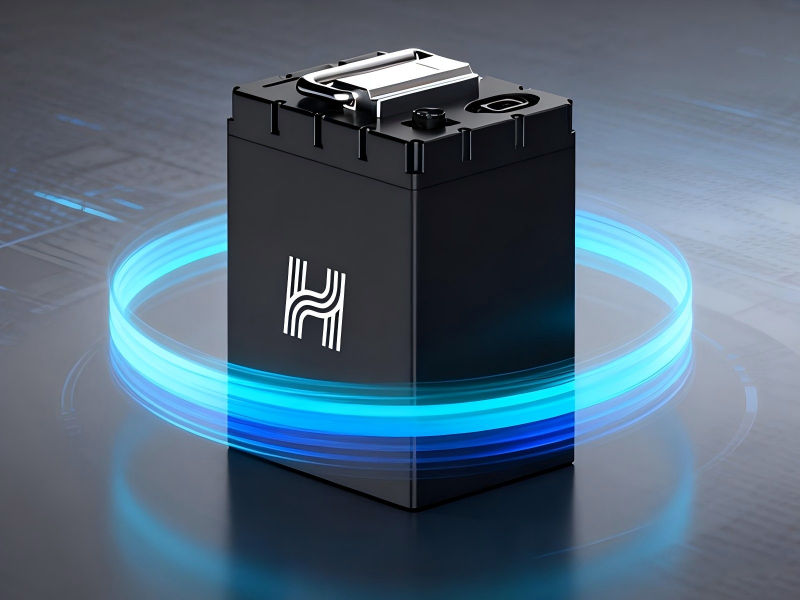
Lithium e-bike batteries, or more precisely, lithium-ion e-bike batteries, achieve significantly longer operational lifespan than traditional lead-acid chemistry in professional battery swap station settings, fundamentally improving the economics of battery fleet management.
Lithium-ion batteries complete 1,500–2,000+ charge cycles before capacity degrades to 70–80%, compared to the typical 200–500 cycles for lead-acid equivalents
Centralized swap station charging with optimized curves extends Li-ion battery lifespan by an additional 20–30% relative to unmanaged home charging scenarios
Smart battery management systems identify degrading units before failure, enabling proactive replacement that prevents service disruptions
Reduced replacement frequency directly lowers battery procurement costs and waste disposal expenses over operational lifecycles
When deployed in swap stations, extended cycle life means operators refresh battery inventory far less frequently, improving capital efficiency while delivering consistent service reliability.
Lithium-ion batteries support significantly faster charging protocols compared to traditional technologies, enabling battery swap stations to maintain continuous battery availability during peak operational periods.
Lithium e-bike batteries typically charge in 3–6 hours compared to 8–12 hours for lead-acid, accelerating the replenishment cycle across station networks
Advanced fast-charging protocols, when managed by intelligent systems, achieve 80% capacity restoration in under 2 hours without lifespan degradation
Independent research on 160,000+ charge cycles confirms optimized fast charging does not reduce battery longevity when temperature and voltage parameters remain properly controlled
Staggered charging schedules ensure battery availability peaks align with rider demand periods, maximizing throughput per physical cabinet
Rapid charging capability allows battery swap stations to serve significantly more riders from the same battery inventory, directly improving operational margin while eliminating wait times.
Lithium-ion chemistry stores energy at substantially higher density than older battery technologies, allowing more power delivery from physically smaller packages deployed in battery swap stations.
Lithium-ion technology can deliver 100–260 Wh/kg compared to lead-acid's typical 30–50 Wh/kg, enabling far more usable energy from equivalent weight and space allocations
Compact battery dimensions allow battery swap station cabinets to accommodate more charging slots within constrained urban locations with prohibitively high real estate costs
Higher energy density per unit supports extended daily mileage for delivery and mobility services, reducing user reliance on frequent battery changes
Advanced lithium formulations provide consistent energy delivery across discharge curves, ensuring reliable range performance throughout battery operational life
Superior battery energy density transforms swap station spatial economics by maximizing energy storage per square meter, while riders benefit from the extended distance capability.
Lithium-ion batteries weigh substantially less than lead-acid alternatives when delivering the equivalent energy capacity, creating cascading efficiency improvements throughout fleet operations.
Lithium e-bike batteries weigh approximately 70% less than lead-acid equivalents, enabling reduced vehicle mass that improves acceleration and climbing efficiency
Reduced vehicle weight decreases motor strain during acceleration and climbing, directly extending operational range and lowering electricity consumption across delivery fleets
Lightweight battery design simplifies swap station handling procedures, enabling faster exchange completion times that improve operational efficiency
Lower mass enables better vehicle acceleration response and maneuverability, enhancing safety and comfort during urban delivery operations
Lighter battery technology translates into quantifiable efficiency gains, as every kilogram reduction extends range, reduces tire degradation, and improves vehicle dynamics for intensive operations.
Li-ion ebike batteries support professional circular economy management within the swap station networks, delivering environmental benefits throughout product lifecycles.
Lithium-ion chemistry eliminates toxic lead and cadmium present in older battery technologies, preventing soil and water contamination during end-of-life processing
Advanced recycling processes can recover 70–95% of lithium, 85–98% of cobalt and nickel, and 90%+ of copper and aluminum for remanufacturing into new battery components
Centralized swap station battery collection enables professional recycling at scale, achieving environmental recovery rates that individual users cannot practically accomplish
Network-level charging optimization during off-peak grid hours reduces peak demand pressure, enabling integration of renewable energy sources that lower operational carbon intensity
Swap station infrastructure centralizes battery lifecycle management, ensuring lithium-ion environmental advantages extend beyond individual performance to create system-wide sustainability benefits.
HelloPower & HelloSwap has established industry leadership through the comprehensive integration of advanced lithium-ion battery technology with proven operational platforms deployed across diverse global markets. The partnership combines three pillars of expertise: Hello Inc.'s decade-plus mobility network experience, Ant Group's digital infrastructure and financial technology capabilities, and CATL's world-leading battery research and manufacturing.
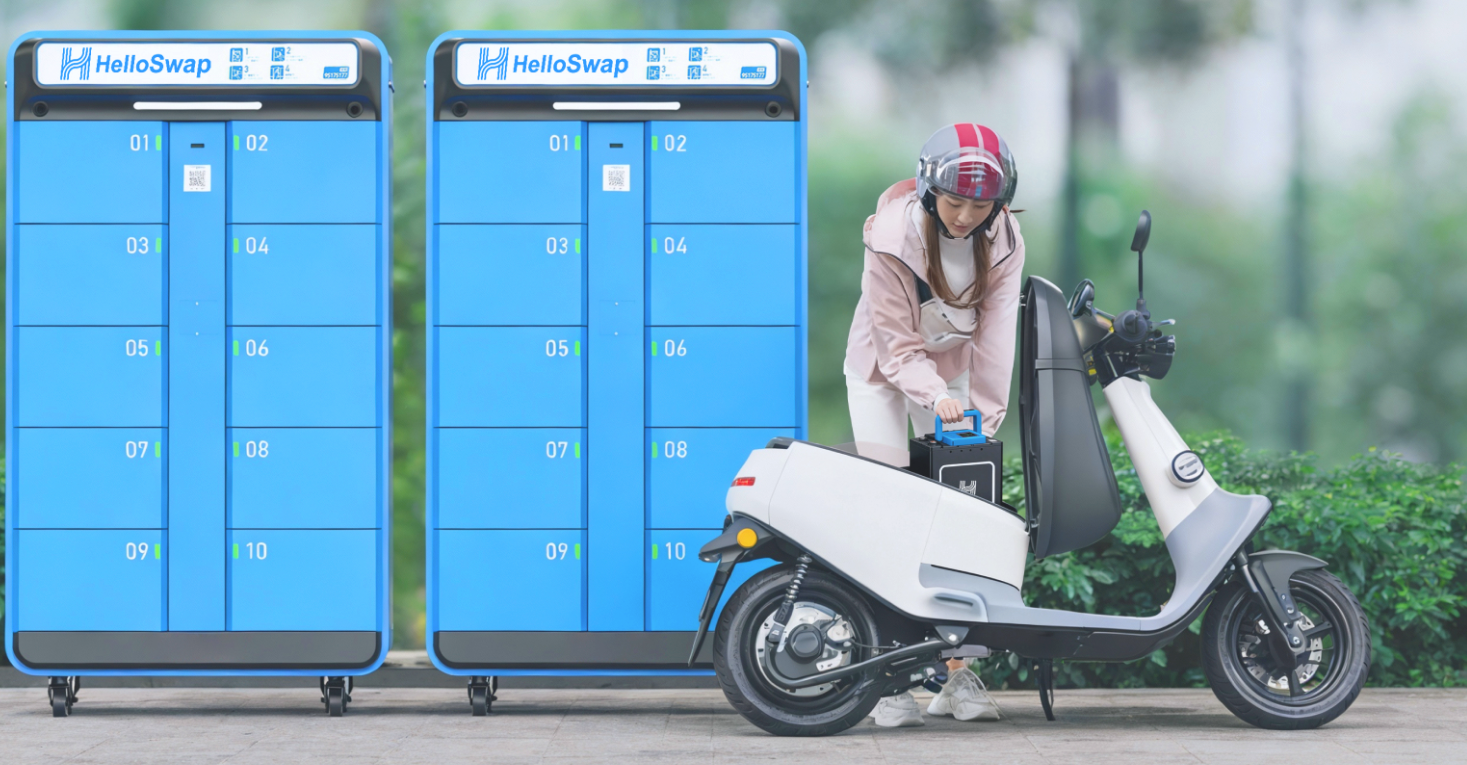
This integration delivers measurable advantages across battery swap station operations:
Battery technology engineered specifically for high-frequency cycling, supporting optimal performance across temperature extremes and demanding commercial usage patterns
Intelligent battery management systems with real-time health monitoring enable predictive maintenance that maximizes uptime while protecting asset value
Modular cabinet designs accommodate flexible deployment across urban, suburban, and regional markets with varying infrastructure constraints
Global operational experience spanning 100+ countries informs localized strategies that accelerate network profitability and user adoption
Professional battery lifecycle management from deployment through recycling ensures environmental compliance while recovering valuable materials
HelloPower & HelloSwap provides turnkey solutions that reduce deployment complexity for new operators while optimizing performance metrics for established networks seeking efficiency improvements.
The five critical advantages of lithium e-bike battery technology—extended lifespan, rapid charging, superior energy density, lightweight construction, and environmental sustainability—establish lithium-ion as the definitive power solution for modern e-bike battery swap infrastructure. These benefits compound within battery swap station environments where centralized professional management optimizes every operational dimension, from charging protocols to thermal control to lifecycle tracking.
Whether launching new battery swap station networks or optimizing existing infrastructure, lithium-ion battery technology combined with professional operational platforms delivers superior returns on capital investment. Contact HelloPower & HelloSwap today to explore how our comprehensive Li-ion ebike battery solutions can transform your electric two-wheeler energy operations into a profitable, sustainable enterprise.
High-quality lithium-ion battery systems in professionally managed swap stations typically deliver 1,500 to 2,000+ full charge cycles before capacity drops to 70–80%. Centralized charging optimization extends lifespan by 20–30% compared to typical user-managed charging, maximizing the operational value of each battery asset.
Lithium-ion batteries can deliver 2–3 times more energy per kilogram, charge 2–3 times faster, last 3–5 times longer, and weigh 70% less—critical factors for high-frequency e-bike battery swap operations.
E-bike battery swap stations provide centralized thermal management, real-time health monitoring, independent safety systems per battery slot, and pre-swap cloud diagnostics. This professional oversight eliminates home-charging risks while optimizing charging parameters to maximize Li-ion e-bike battery operational life.
Professional-grade lithium-ion battery systems operate reliably from -20°C to 65°C, with swap station cabinets providing active thermal control to maintain optimal conditions across diverse climates, ensuring consistent performance year-round for commercial operations.
Yes. Modern lithium-ion battery recycling processes can recover large percentages of materials like lithium, cobalt, nickel, copper, and aluminum. Battery swap station networks enable efficient collection and professional recycling that individual riders rarely achieve, supporting circular economy principles.
Contact Us
hellopowerglobal@hellobike.com
Location
2F, Building 1, No.898 XiuWen Road, MinHang District, Shanghai, China
Copyright © 2024 福建宁德惠智无限科技有限公司 All Rights Reserved. 闽ICP备2023025900号-3.


